Two thoughts about Belarus
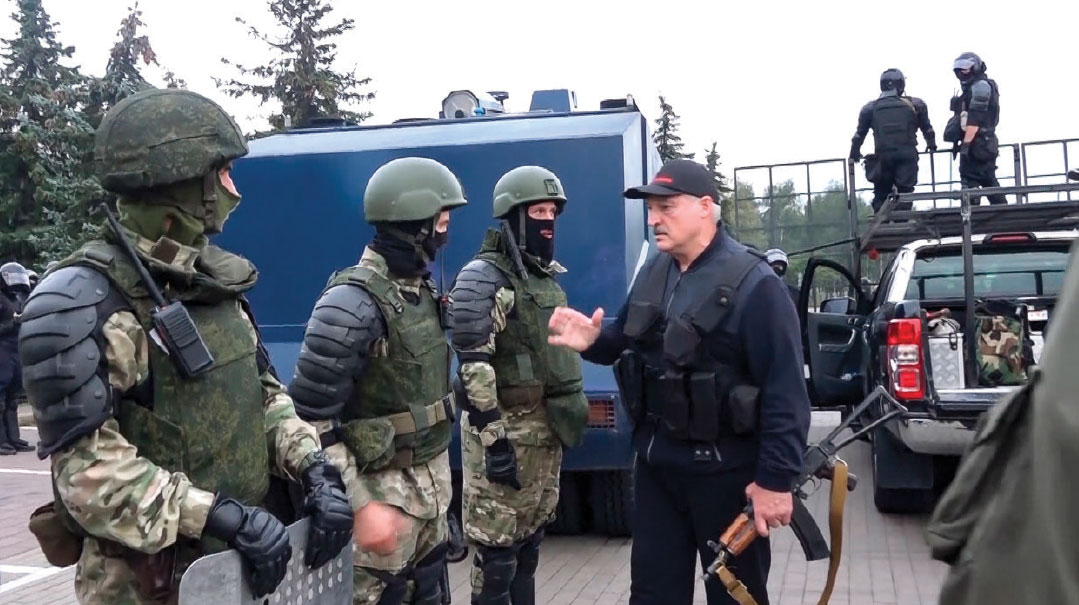
The last time I visited Belarus, it was summer 2001 and I was on a pre-yeshivah exchange trip visiting the school headed, then and now, by Manchester-born Rabbi Moshe Fhima of Yad Yisroel, an organization that has played a prominent role in reviving local Jewish life.
From an exhausting week spent on a tour bus visiting some of the most storied places in modern Torah history — Minsk, Grodno, Radin — other memories remain. The gray Communist-era tenements, omnipresent hammer-and-sickle emblems, and local Jewish boys who were reluctant to talk about the strongman leader, Alexander Lukashenko.
Almost two decades later, images of mass protests against that same ruler revived those memories, leading to two thoughts.
One is geopolitical. Franak Viacorka, a Minsk native and non-resident fellow at the Atlantic Council, wrote last week that “thirty years after the empire officially expired, the sun may finally be setting on the last remaining outpost of Soviet authoritarianism in Central Europe.” But the protestors being beaten by Lukashenko’s goons will be all too aware that while more freedom is possible, a realignment with the West is not on the cards.
Create a free account to keep reading.