The “sons” are four types of Jews, and even the most distant, the most alienated, is still a son of our People
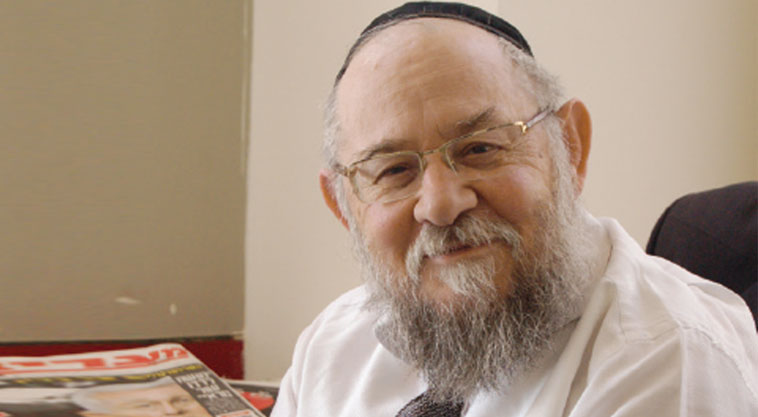
We’ve been through a year of great and unfamiliar challenges, particularly in the realm of chinuch, which has, more than ever, found its center of gravity in our homes. And now as we return to the Seder table and the four sons gather together once again, let us turn to the Haggadah for guidance on how to relate to these sons that we meet throughout the year.
Through all our generations, these four characters have been among us, encountering, confronting, clashing with each other. And the father — the father of the nation or the personal father at the head of the table — is asked, required in fact, to speak to each of them in his own language. With each new generation, these sons find a new style of expression, but the essence of their psychological makeup remains the same as ever. Each personality is rooted in one of the Haggadah’s four prototypes.
How will we identify each son in today’s world? What is in their hearts, and in what terms do they speak in these modern or postmodern times?
The Haggadah categorizes these four types as the wise son, the wicked son, the simple son, and the son who doesn’t know to ask. Artists through the ages have illustrated the wise son as a bearded, rabbinical figure, and in sharp contrast, the wicked son as a wild, empty-headed youth of the sort you might find hanging out on street corners. But this is certainly not what the Haggadah’s author had in mind. The wicked son of the Haggadah could very well be brilliant, perhaps even more so than the wise son, and he might have all the refined manners of polite society. He could be an upstanding citizen making positive contributions to to humanity. Nevertheless, by the Jewish scale of values represented in the Haggadah, he is considered wicked.
Create a free account to keep reading.