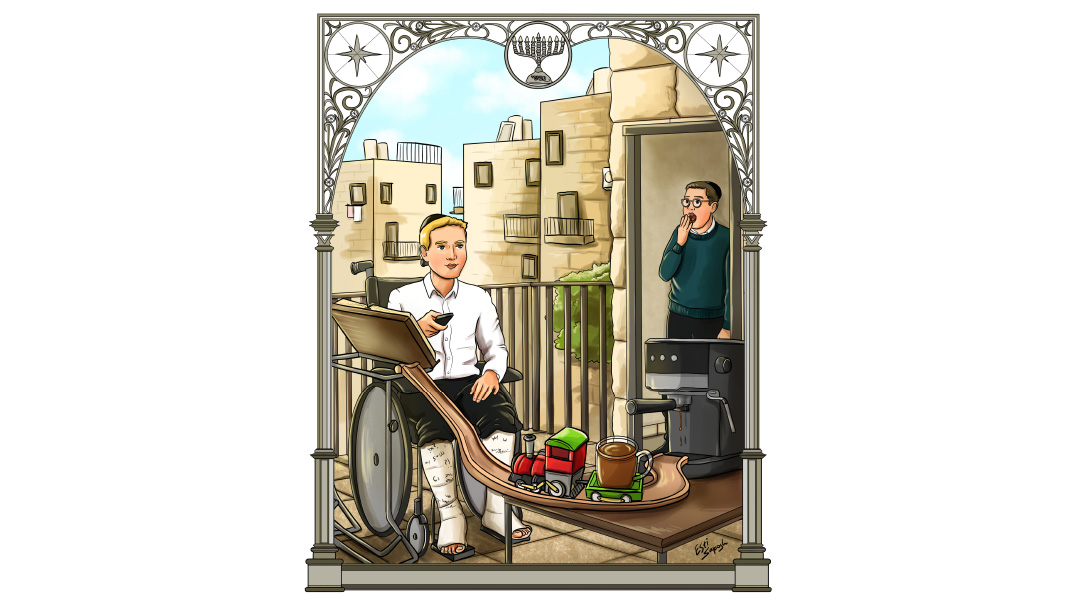
When a parent is dying, children-in-law may be confused about their place. Experts share practical ways children-in-law can be supportive during every stage of the crisis

The daughters-in-law had all that pressure and then some. Even the ones who’d been part of the family for years were noticing that they weren’t actually a part of the family the way they’d thought they were. As much as they loved and were loved by Ma and their sisters-in-law, when the family came together in its sorrow, they reverted to their childhood dynamics, and the children-in-law didn’t know where to put themselves.
Like porcupines trying to huddle together for warmth, children-in-law facing a family crisis may try to slip into their usual places in the family circle, but the sting of prickly tempers makes them back off, until they decide they’d be best off keeping a distance.
But by doing so, they might miss a real opportunity. Since children-in-law are naturally one step removed from the emotional trauma and aren’t operating from the eye of the storm, they’re uniquely suited to take over certain duties, making the process more manageable for everyone.
The first hurdle a family typically faces when a parent is diagnosed with a fatal disease is anticipatory grief: the sadness that the dying family member — and their loves ones — feel as the end nears. There are so many losses to grieve on the way to the final one, such as blows to independence, security, and plans for the future.
Create a free account to keep reading.