For certain venerated roshei yeshivah, music was known as integral to their avodah
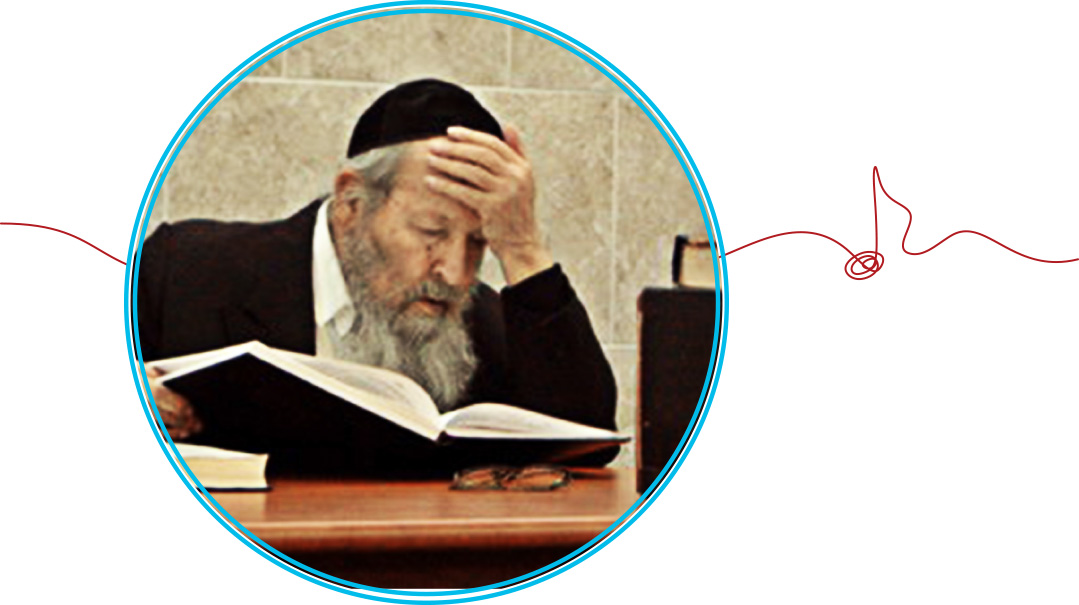
While talmidim from the earlier years don’t recall the Rosh Yeshivah singing with them, the later Beer Yaakov talmidim remember Rav Moshe Shmuel’s singing on special occasions, and many of those niggunim are widely assumed to be his compositions. He would sing with the bochurim at Kiddush on Shabbos mornings, at Shalosh Seudos, at mesibahs in the yeshivah, and at close family weddings. One of the most famous niggunim is the slow and moving “Sim, sim, sim shalom…” which has been attributed to Rav Boruch Ber Leibowitz of Kamenitz. Rav Moshe Shmuel said he’d once heard Rav Boruch Ber sing it at a pre-war chasunah.
Was there any precedent for this outpouring of song in the solemn world of Lithuanian yeshivos? During World War I, Rav Boruch Ber Leibowitz’s yeshivah, Kenesses Beis Yitzchok, took refuge in the city of Minsk. The talmidim asked Rav Boruch Ber to teach them a new niggun to raise their spirits. Rav Boruch Ber would not do this without consulting with his own rebbe, Rav Chaim Brisker — and when Rav Chaim gave his approval, Rav Boruch Ber subsequently taught several songs. Rav Moshe Shmuel occasionally quoted this story to explain to his own bochurim that he relied on these two great men to find a place for singing within the hallowed framework of the yeshivah.
It is said that once Rav Boruch Ber composed a new niggun that he sang to the words “Tzur Yisrael…” of the brachah before Shemoneh Esreh. When his rebbe, Rav Chaim, commented that these were not suitable words to sing, he stopped singing it. But the tune lived on, and it was this melody that Rav Moshe Shmuel Shapiro used for words from the Shavuos yotzros “Ve’atah banim shiru lamelech…”
Rabbi Hillel Paley, maggid shiur in Yeshivas Chemdas HaTorah in Beit Shemesh and a prolific and popular composer, says that this tune was actually an inspiration for one of his own most popular compositions.
Create a free account to keep reading.