If we’ve been fortunate enough to have been on the receiving end of kindness, we’ve got role models who have set the bar high
A
ll of us know how much our lives are diminished by caregiving and loss. But there’s also something good that can emerge from these difficult trials. We can become kinder and better people. I like to think I did, after 12 years of caregiving and subsequent widowhood.
The kindness I extended to my husband z”l became a habit that, over time, changed my response to others who were ill, incapacitated, or “different.” I became more attuned to their needs than I had been before. Knowing what it felt like to be different, as the ill and their caregivers inevitably are, I become more responsive to all sorts of marginalized people.
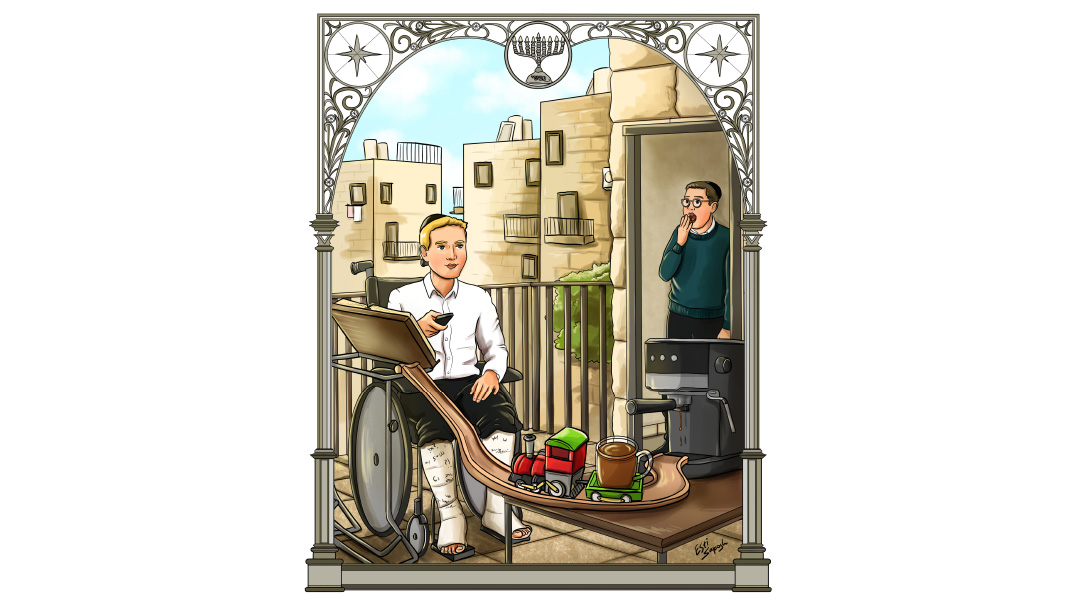
I didn’t change my behavior so much as I enhanced it. Whereas in the past I had made a point of offering a cheery greeting to an elderly person I saw in a wheelchair, now I stopped to chat and always asked the caregiver if he/she needed help getting the wheelchair off the curb. This, despite the fact that I might have been in a mad rush. A small change, yes, but, I think, a meaningful one.
Even when there’s no visible sign of distress, caregivers and grievers can sniff it out. After we’ve lost a spouse, for example, we can reach out to other widows and widowers with a fine-tuned sensitivity, something we couldn’t have done before, despite the best of intentions. The widow or widower may tell us he or she is doing okay, and in the past, we might’ve taken this at face value. Now, though, that we’ve been there, we know better — and we do more for them.
Create a free account to keep reading.