Who was Sarah Schenirer, and what was her life’s dream?
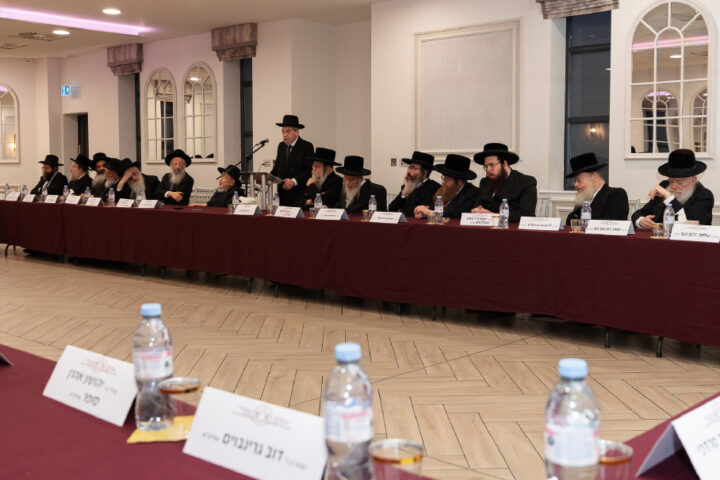
The year was 2023, and I found myself in Toronto for the very first time. The occasion was not a wedding or a friendly get-together, but the first ever Bais Yaakov Conference, a gathering of tens of erudite scholars from across the spectrum of Judaism (and non-Judaism) who had undertaken a serious academic study of the Bais Yaakov movement. At one point during the proceedings, the conference leader whose book shaped the modern discourse made an ironic observation: “The only one of us in this room whom Sarah Schenirer would actually be proud of is Tzipora.” I was taken aback, momentarily discomfited by the sudden and unprecedented spotlight.
But as all eyes turned to me, an Orthodox woman guided exclusively by the light of halachah, I realized that while scholars might research and debate the historic impact of Sarah Schenirer’s legacy, the story is still unfurling. Each Bais Yaakov alumna holds a mirror to her work, to her journey and its fulfillment.
Who was Sarah Schenirer, and what was her life’s dream?
Every Bais Yaakov girl, myself included, was raised in the ether of a legend: a woman from a little town in Poland, a seamstress who was very sad, sewing clothes for the body while the soul remained unclad. As I grew older and began to study the history of the era, I realized that like many legends, this one contains essential truths but elides important elements. The complex reality of Sarah Schenirer’s life, beginning with the fact that Krakow was far from just a mere Polish hamlet, is rarely conveyed in its fullness.
Create a free account to keep reading.