How different types of cookware affect the cooking and baking process, and how to pick the perfect pot for your culinary task.
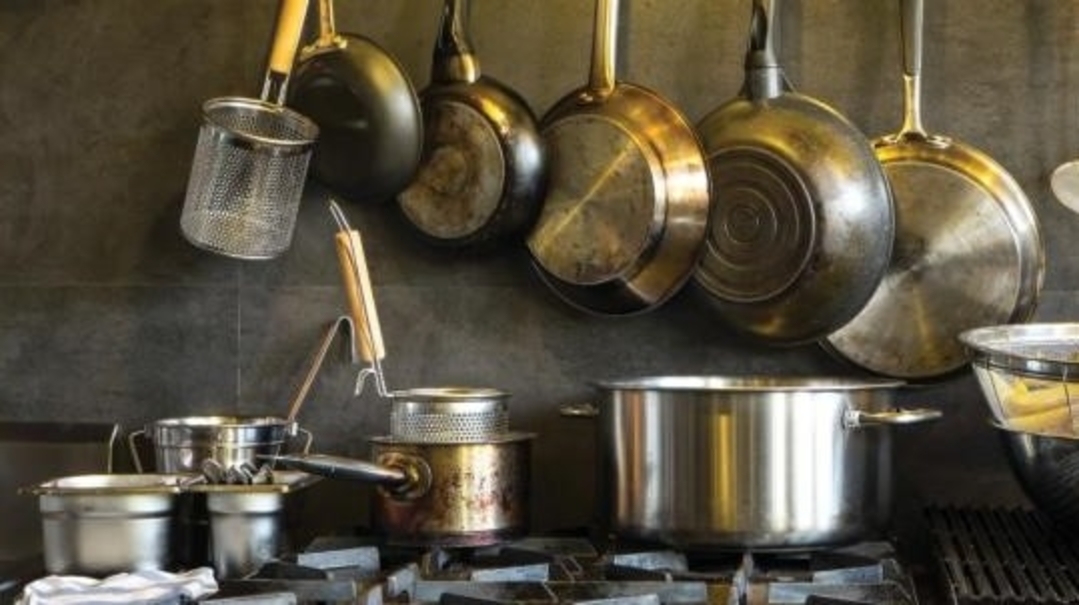
But don’t put on your apron yet — before you invest any more time, energy, and expensive ingredients in your culinary prep, I’m here to help you make sure that you’ve got the right tool for the job. Not all pots and pans are created equal, and if you read on, you’ll learn some things that can help you achieve amazing results with your cooking and baking.
Let’s start with the bottom line: A well-stocked kitchen should have a mix of pots and pans, with both non-stick and stainless steel bottoms for various cooking tasks. Non-stick surfaces are great for quick and easy cooking and clean-up, but they fall short when you need to brown or braise your food. Before buying pots, think about what you cook the most and make the selection that suits you.
Consumer Reports is a great resource for learning about the various materials and terminology used in cookware, and I’ve shared the basics below.
Stainless steel: Classic, durable, no reaction with food, uniform heating, good for browning, easy to take care of, sometimes hard to clean stuck foods.
Create a free account to keep reading.