It turns out that pickles can be anything you like: sweet, spicy, crunchy, soft, simple, complex, or even part of dessert!
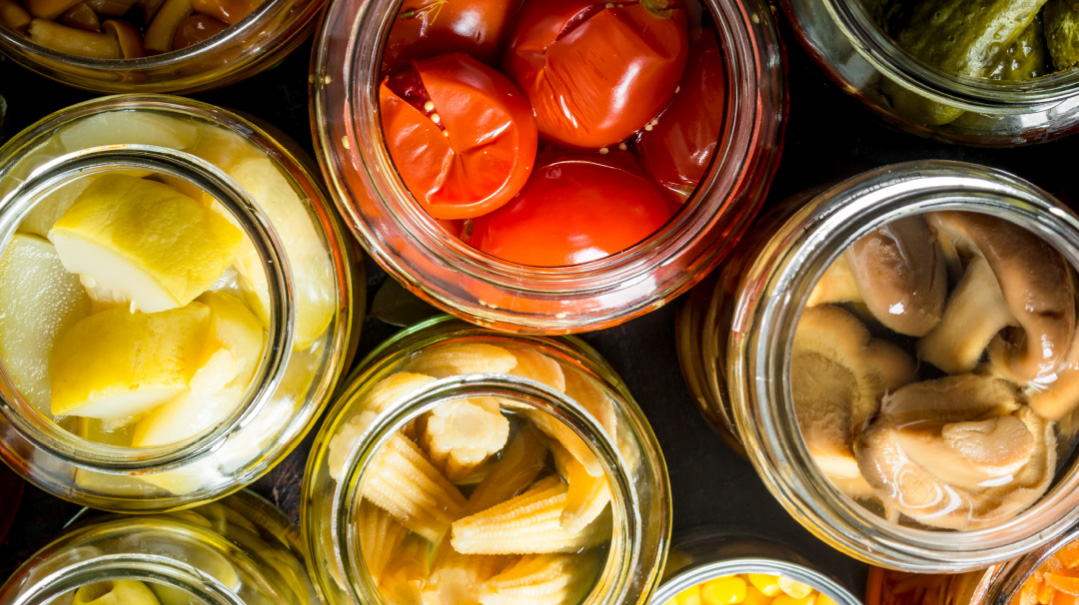
Pickling runs on both sides of my family. Growing up with my Ashkenazi Jewish-American father, no trip to the deli was complete without a dish of crunchy half- and full-sours on the table. Meanwhile, the women on my mother’s side — Egyptian and Moroccan by way of Israel — taught me how to preserve lemons and marinate every vegetable under the sun with bright, tangy flavors. When I was a kid, the word “pickle” went far beyond the jars of kosher dills at the supermarket.
Over time, as my schedule filled with work and motherhood, pickling fell by the wayside. I found my way back after starting a garden a few years ago when the veggies from our backyard were streaming into the kitchen faster than we could eat them. I stuck to tried-and-true flavors at first, quick-pickling cucumbers with dill and soaking turnips and beets for falafel wraps. Over time, though, I found a whole new world of creative pickle formats and flavors.
It turns out that pickles can be anything you like: sweet, spicy, crunchy, soft, simple, complex, or even part of dessert! All you need is fresh produce, a clean container, and a little patience.
Vegetables can be quick-pickled, meaning that the ingredients are marinated in an acidic brine (usually containing vinegar — think cucumber pickles from a shelf-stable jar), or lacto-fermented, meaning that the ingredients are mixed with salt as a preservative and then allowed to develop at room temperature, creating both complex flavors and a dose of gut-healthy probiotics.
Create a free account to keep reading.