Let’s dive into the science behind this amazing kitchen appliance
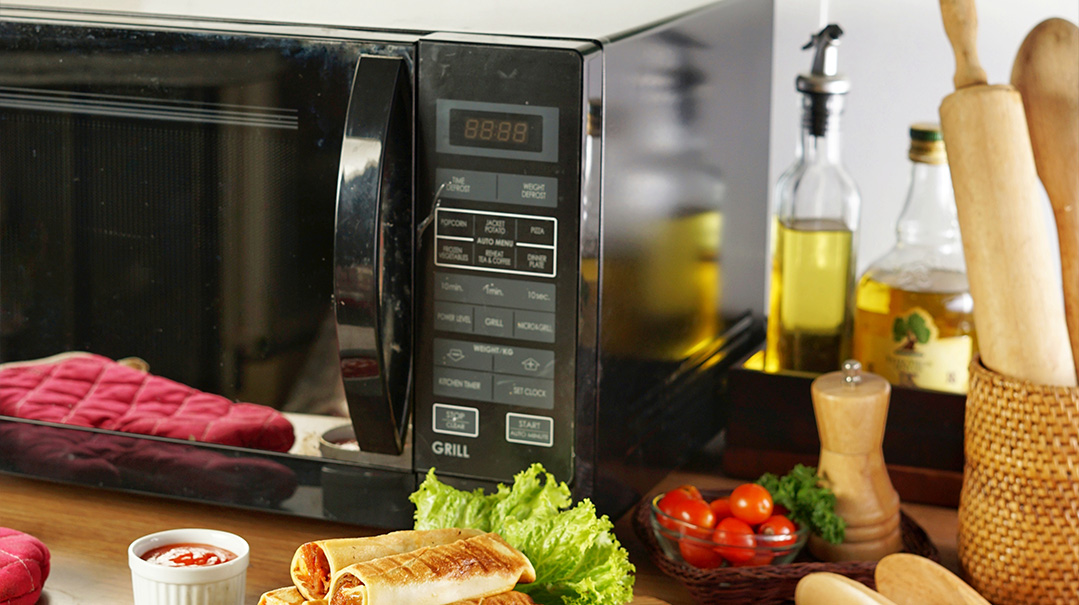
First, we need to distinguish between microwaves and microwaves. Huh? Microwave ovens (the appliances in your kitchen) are named after the type of energy they use — they heat up food using microwaves, which are a type of electromagnetic wave. Think radio waves, just shorter.
Inside each microwave oven, there’s a little device called a magnetron. The magnetron is the heart of the microwave oven, and it creates microwaves (the energy). When you place your food in a microwave-safe container and press the buttons to set the cooking time, the magnetron starts to work its magic. It produces microwaves that bounce around inside the oven and are absorbed by the food.
Microwaves (the energy) have a unique property — they’re absorbed by water molecules. And nearly all food contains water, even if it’s not visible. When the microwaves hit the food, they excite the water molecules, causing them to move quickly. Imagine a crowd of people dancing at a concert. The microwaves are like music, and the water molecules are the people dancing. As the water molecules dance and vibrate, they generate heat. That’s how your food gets heated up — the water molecules inside the food heat it from the inside out.
Microwaves can penetrate about an inch to an inch and a half into food. The heat is generated within the food itself, starting from the areas closest to the surface. As the heat is produced internally, it travels from the outside to the inside of the food. However, it’s worth noting that the surface of food in a microwave oven can still get heated by direct contact with the microwave energy, as the microwaves are absorbed more readily by water molecules found near the surface. This is why the outer layers of your food get warmer faster than the inner parts.
Create a free account to keep reading.