Though Moshe and Amram Blau operated in different spheres, their similarities persisted
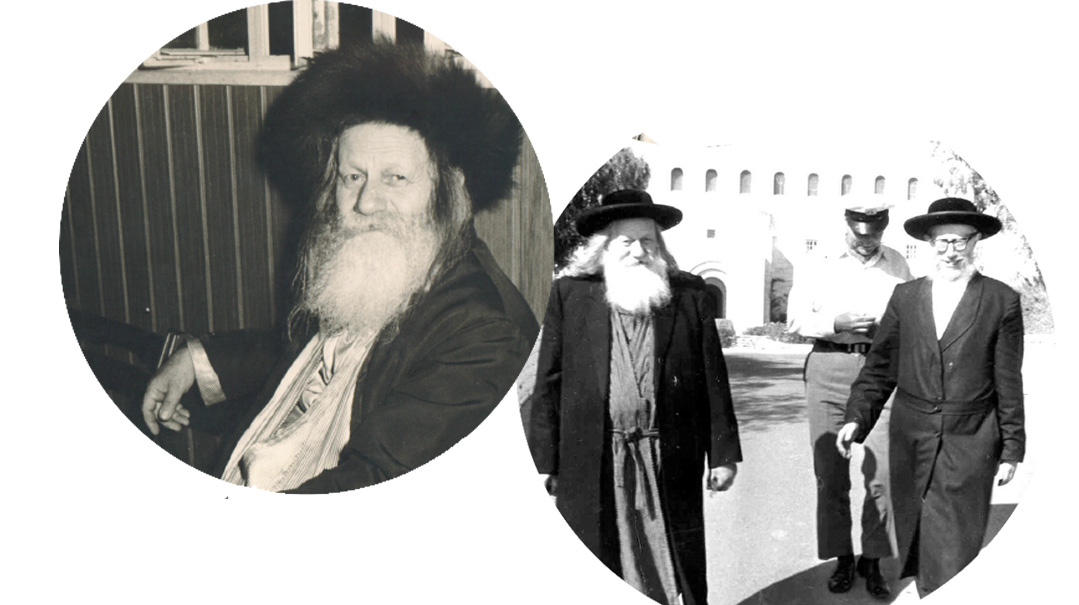
While elder brother Moshe assumed the leadership of the Yerushalayim branch of Agudas Yisrael in the 1920s, the younger Amram was active in Zeirei Agudas Yisrael, editing its newspaper Kol Yisrael. This included leadership positions in the Eidah Hachareidis, which was together with Agudas Yisrael during this time.
In the dynamic, charged atmosphere of British Mandate–era Palestine, allegiances changed frequently. Decrying Agudas Yisrael’s cooperation with the Jewish Agency, Amram and a few comrades split off to found the Neturei Karta. As Moshe was head of the World Agudah organization’s Eretz Yisrael branch, this essentially meant the brothers came to a parting of ideological ways. Moshe then assumed his brother’s position as editor of the Agudah weekly.
Though they operated in different spheres, their similarities persisted. While Amram Blau became legendary for his uncompromising stance against Zionism and the subsequent State of Israel, Moshe held down the “right” flank within the Agudah organization. As Polish and German Jewish Agudists immigrated to Eretz Yisrael in the interwar period, they integrated primarily into the New Yishuv. Agudah leaders from Europe with moderating views, such as Dr. Yitzchak Breuer, arrived as well.
Throughout these tumultuous years, Rav Moshe stood at the helm of Agudas Yisrael and the Eidah Hachareidis, then still unified, and tried to hold the delicate relationship together. In this capacity he was an Agudah spokesman at both the 1937 Peel Commission and the Anglo-American Committee of Inquiry shortly prior to his passing in 1946.
Create a free account to keep reading.