AIPAC's bold move into a partisan world
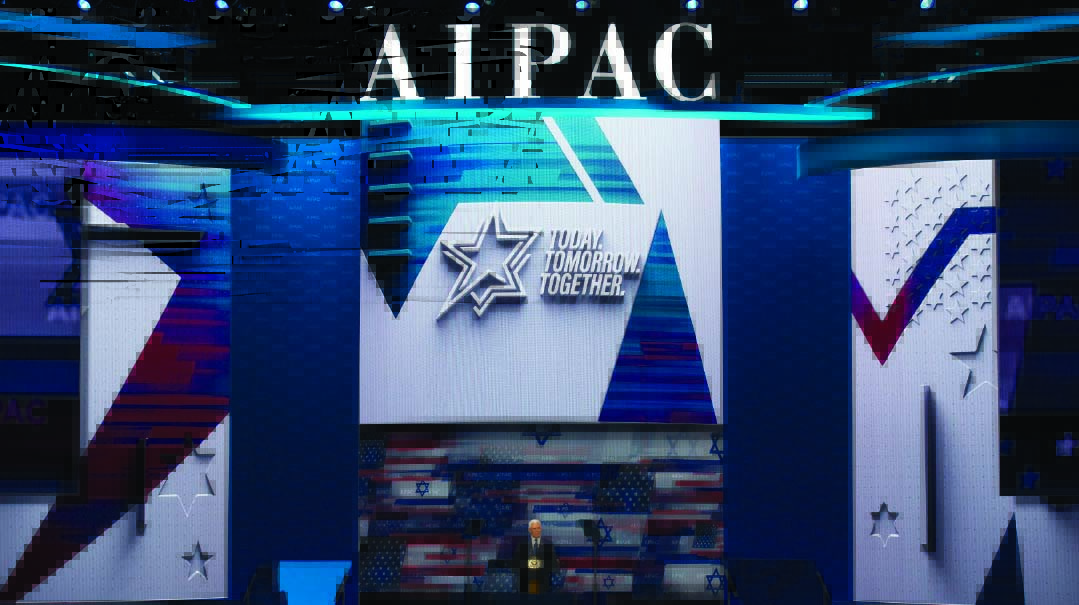
Supporters of this move would point out that these days there is no cause that doesn’t have an associated PAC, from environmentalist organizations to Second Amendment groups, and there are even movements supporting certain candidates for nomination to the Supreme Court. So why should a pro-Israel movement be different?
Critics of the move would say it undercuts the highest priority of the organization — to remain bipartisan. Until now, all the organizations pushing an Israel policy agenda — the Republican Jewish Committee, J Street, the Jewish Democratic Council of America, and Democratic Majority for Israel — have been identified either with a party or a particular ideological stream, and therefore have clear political goals. AIPAC, which strives not to be affiliated with a particular party or movement, is now walking into a minefield.
That is because there is no real way to fund campaigns while remaining bipartisan. To take a hypothetical example, what would happen in a race with two pro-Israel candidates, one Democrat and the other Republican, vying for the same Congressional seat? Which candidate would AIPAC fund?
Another problem that may arise is whether AIPAC will be able to fund Democrats and Republicans evenhandedly. For example, if the organization were to raise $50 million, would that amount be divided equally between the two parties? Or could most of the money flow to one party — for example, in an effort to help moderate Democrats beat progressives? Whatever AIPAC decides will no doubt be met with suspicion and criticism from quarters on both sides.
Create a free account to keep reading.