It seems so simple, and yet Chazal tell us that the concept of yichud Hashem is something beyond human comprehension
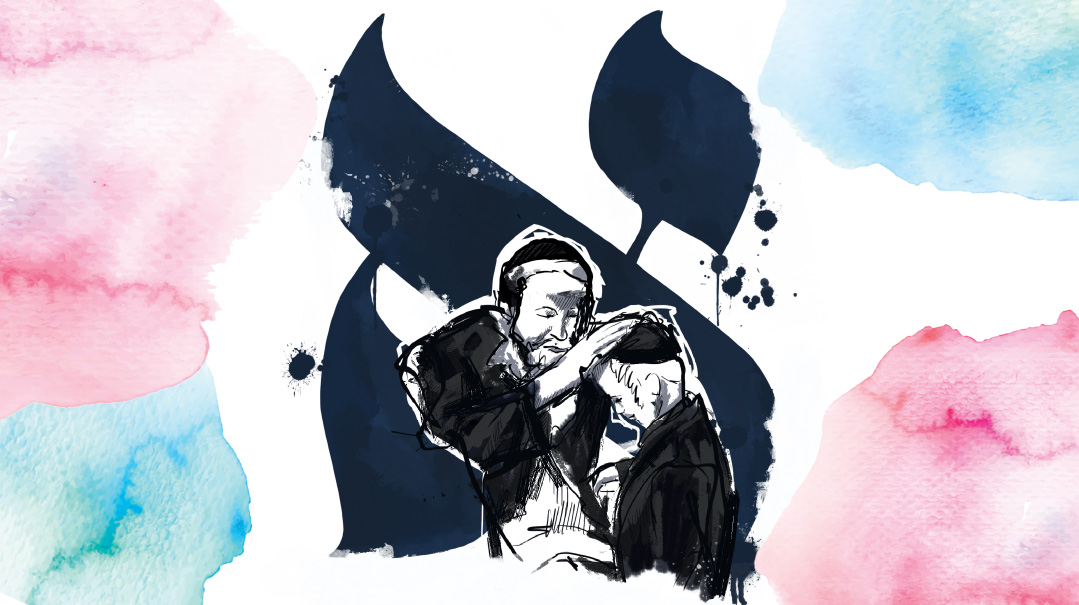
Who knows one? The youngest child can tell you that One is Hashem, the Master of the World. It seems so simple, and yet Chazal tell us that the concept of yichud Hashem is something beyond human comprehension. How are we to relate to the idea of One?
At the time of creation, there was only Hashem — one, with no division or distinction of parts. But like a single ray of white light refracted through a prism into multiple channels of color, Hashem manifests in our physical world in various, even conflicting ways. And while we know intellectually that everything comes from Him, the reality we experience is multifaceted.
I can feel grateful for my job and at the same time be frustrated with it. At a funeral, I can recognize a life well lived while mourning the loss of that individual. Marriage is a blessing and an avodah. Wars lead to death and to development. Within the conglomerate of emotions, at any given moment I need to understand that the good and the bad — it all comes from the same One Source. That means that somehow it’s all good — not just the part I’m grateful for, but even the parts I find difficult to attribute to a Loving Creator.
I need to find the purpose in the pain, the simchah in the disappointment, the brachos in the challenges. How does Hashem want me to react to this? What lesson can I learn? Is there a reason I’m here? This perspective is touching upon yichud Hashem — belief that it’s all One, it’s all Hashem.
Create a free account to keep reading.