What exactly happened to the grapes and wines described in Tanach, Mishnah, and Gemara? The quest to decant new wines from ancient grapes
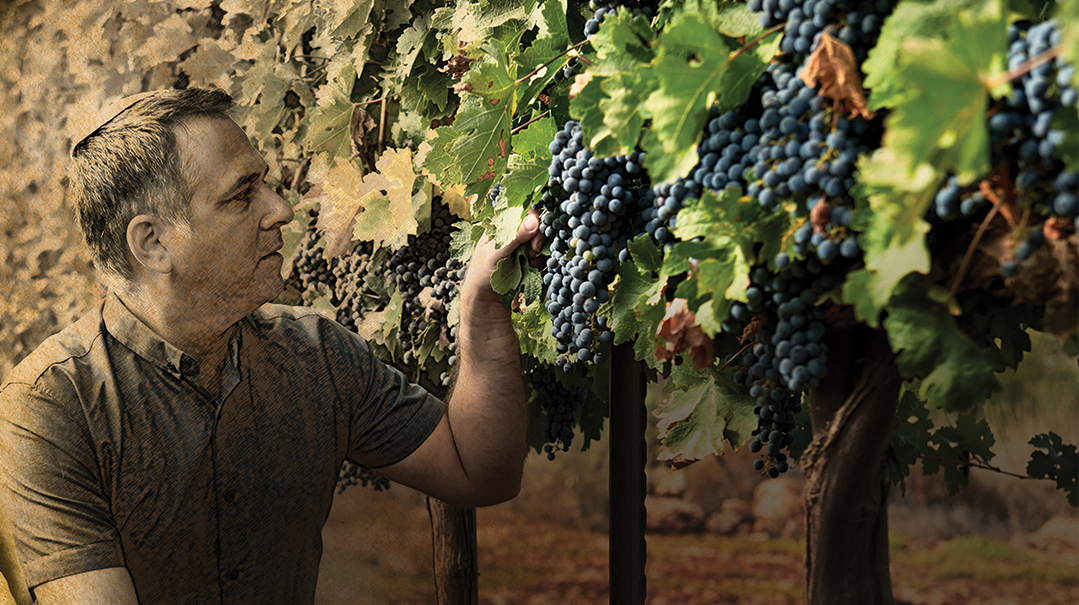
Why do just six varieties of wine dominate the global market?
For that matter, why are there only a dozen or so types of apples to choose from at the grocery store when there are more than 7,500 species grown worldwide? In the case of bananas, the imbalance is even greater. One variety of banana, the Cavendish, accounts for 47 percent of total sales, despite the existence of more than 1,000 banana species.
There’s more than one answer to this question of market dominance, but in the case of wine, it’s a case of simple economics. As the famous wine critic Robert M. Parker wrote two decades ago, corporate wine makers “make wines all in the same way, designing them to offend the least number of people.”
Though there are approximately 1,300 known varieties of wine grapes in the world, Chardonnay, Riesling, Sauvignon Blanc, Cabernet Sauvignon, Pinot Noir, and Merlot (Syrah and Pino Grigio also appear on various lists) dominate the shelves of wine shops everywhere. Yes, you can find a single row of Malbec or Cabernet Franc or Pinotage on those shelves as well, but the Big Six are the forest you can’t miss for the trees.
Create a free account to keep reading.