Underground yeshivos that kept the song alive in times of terror and fear
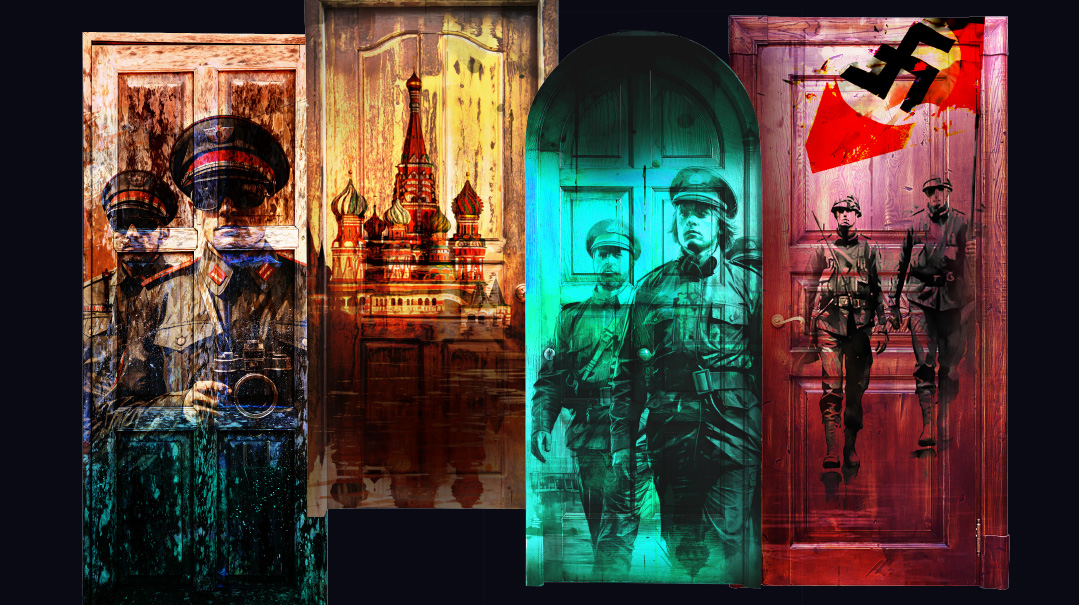
The Bolsheviks despised religion — the “opium of the masses,” as they called it — and insisted it be stamped out at all costs. But they also despised the czars, and persecuting Jews mirrored the behavior of the czars — which they wanted to avoid at all costs. Their solution: Jewish Communists, who could not be accused of anti-Semitism, would stamp out Judaism for them.
The ”Yevsektsia,” as these Jewish Communists were called, surpassed the Soviet government’s best hopes. They attempted to crush all vestiges of traditional Judaism, even those the Communist government had declared legal. And of all forms of Jewish traditional practice, the Yevsektsia had a particular antipathy for Torah study.
While most yeshivos, seeing the utter impossibility of further Torah growth in the USSR, fled across the border to Poland, one network of yeshivos became famous for its heroic refusal to leave: Lubavitch, under the leadership of Rav Yosef Yitzchak Schneerson, the sixth Lubavitcher Rebbe (also known as the Rebbe Rayatz).
The Rebbe is said to have once told a czarist police officer, “The Schneersons don’t run away!”. Upholding that maxim, the Rebbe organized a massive network of underground yeshivos throughout the USSR — around 600 schools, according to one biographer.
Create a free account to keep reading.