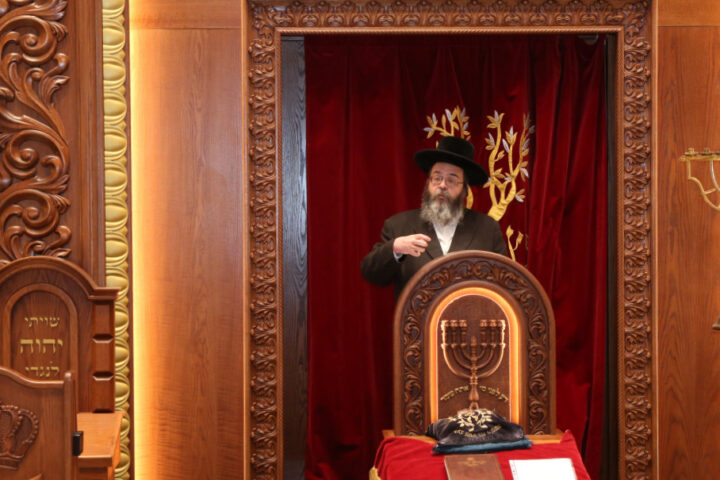
We met with an expert shofar maker in Modiin Illit, in Eretz Yisrael, who is ready to share all the details with you!
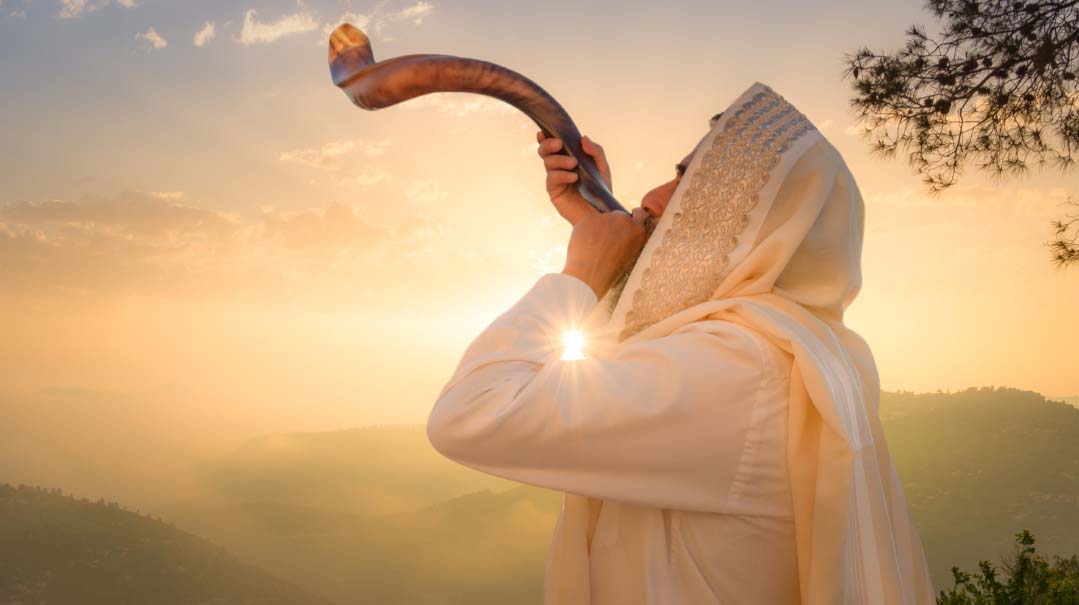
We arrive at the shofar maker’s home on a hot, sticky summer evening. Rosh Hashanah seems distant, but I know it will be here sooner than I think. After all, Chazal tell us that the name of the month “Av,” stands for “Elul ba,” Elul is coming. Rosh Chodesh Av is mere days away, and at Elul’s close, Rosh Hashanah will be upon us.
The Rav greets us, and then says, “Eid-Al Ahda is in a few days.”
Huh? He smiles at our confused faces. “We have to thank Eid-Al Ahda for providing most of our shofros,” he says. “It’s a Muslim holiday. They celebrate it in commemoration of their version of Akeidas Yitzchak.” I didn’t know the Muslims had a holiday for that, but I guess it makes sense, seeing as Avraham Avinu is their forefather, too.
“During Eid-Al Ahda,” the Rav continues, “the Muslims slaughter many animals for their celebrations. All those rams have horns on their heads.” He proceeds to pull out a large thing, which turns out to be a skull with two horns. “This is the skull of a ram,” he explains. He shows us the eye sockets and where the ram’s brain was. “And these are the ram’s horns,” he says, running his hand along the horns. “Each ram provides us with two shofros. Some people have the minhag to prefer the horn from the right side for their shofar, but there’s not a clear source for that minhag.” The shofar maker shrugs. Then he asks us if we know why a shofar is called a shofar, but we have no clue. “Shofar is from the lashon of shforferet,” he says, “because it’s hollow inside.”
Create a free account to keep reading.