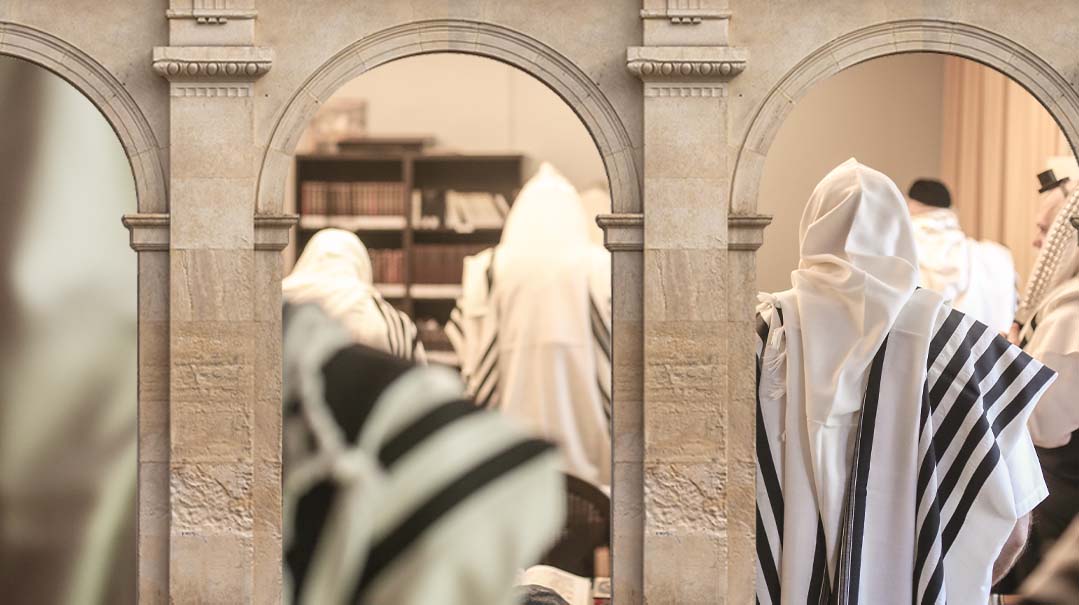
Construction on our shul started over three years ago but is not yet fully complete. Coming down toward the unfinished shul building is a tricky, dusty business. But once we pull open the makeshift doors, my breath catches. The inside of the shul is large, beautiful, and empty on this quiet Friday morning. In just a few hours, men and boys will be filing in, ready to welcome the Shabbos Queen. In the meantime, in the hallowed quiet, the hum of the air conditioning blanketing the space, it’s just us and the gabbai-cum-shul builder.
When my family moved to this community seven years ago, the shul was in one of those ubiquitous prefabs that Israelis call “caravans.” In most frum communities in Eretz Yisrael, you can find these structures littered abundantly about, housing minyanim, kollelim and batei medrash. Even though the shul “built on” additional rooms to their large caravan in order to house a second room for more minyanim and an ezras nashim, it wasn’t big enough. During Yom Tov, when the bochurim came back from yeshivah, you could see crowds of men davening outside the shul, because there was simply no room inside.
The biggest and most pressing problem was lack of funds. To build any structure, you need money. Lots of it. Finally, one man from the kehillah approached the gabbaim and handed them a 70,000-NIS (21,800 US Dollars) loan. “Get started,” he said. “Get plans drawn up, and start a keren habinyan, a building fund.” Reb Goldschmidt tells us that this was a bold move: There was no guarantee he would ever get back his money. There was no existing building fund, and there was no way to ensure his loan would be paid back. This avreich took a risk — but his first move ended up creating our new shul. (Even though it’s not fully built yet, many tefillos take place in the new building already.)
There are many halachos about how to behave in a shul. True or False?
Create a free account to keep reading.