Though both are locked in combat against terror, not all risks for peace are created equal
PRAYER FOR PEACE A dove flies by the Simon Bolivar monument in Bogota. Is peace in Colombia in the air or up in the air? (Photos: AFP/Imagebank)
I
t was the late Venezuelan dictator Hugo Chavez who branded Colombia “the Israel of Latin America” after the Colombian government sent troops on a March 2008 cross-border raid into Ecuador to eliminate a band of terrorists.
Chavez’s bombast hit a bull’s-eye.
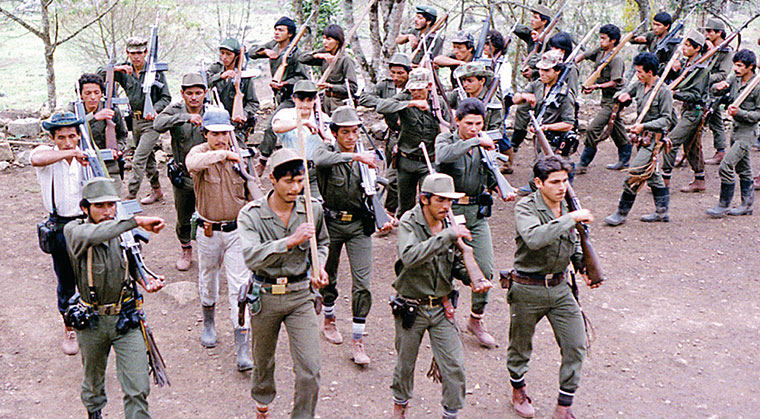
BothColombiaandIsraelhave been locked in mortal combat versus terror groups for the last 50 years. Israeli arms sales toColombiahelped provide theBogotagovernment with the military might to rout the Revolutionary Armed Forces of Colombia (known by its Spanish acronym FARC).Colombiarepaid the favor by acting as one ofIsrael’s leading — and one of its few — Latin American supporters and has been protective of its dwindling but still prosperous Jewish community of 2500.
UnlikeIsraelColombiahas now signed a peace treaty with its primary enemy inking an agreement last week inHavanawith FARC after four tumultuous years of negotiations that began inOslo. Citizens will get the chance to vote yea or nay on the deal in a referendum next month. Local pundits predict a close vote between those who believe the treaty will bring peace and stability to a nation ravaged by Marxist guerrillas and narco-terrorists and those who feel that a terrorist with a suit and tie instead of military fatigues is still a terrorist.
Create a free account to keep reading.