A better understanding of what was accomplished in Iran runs through a map of the key targets
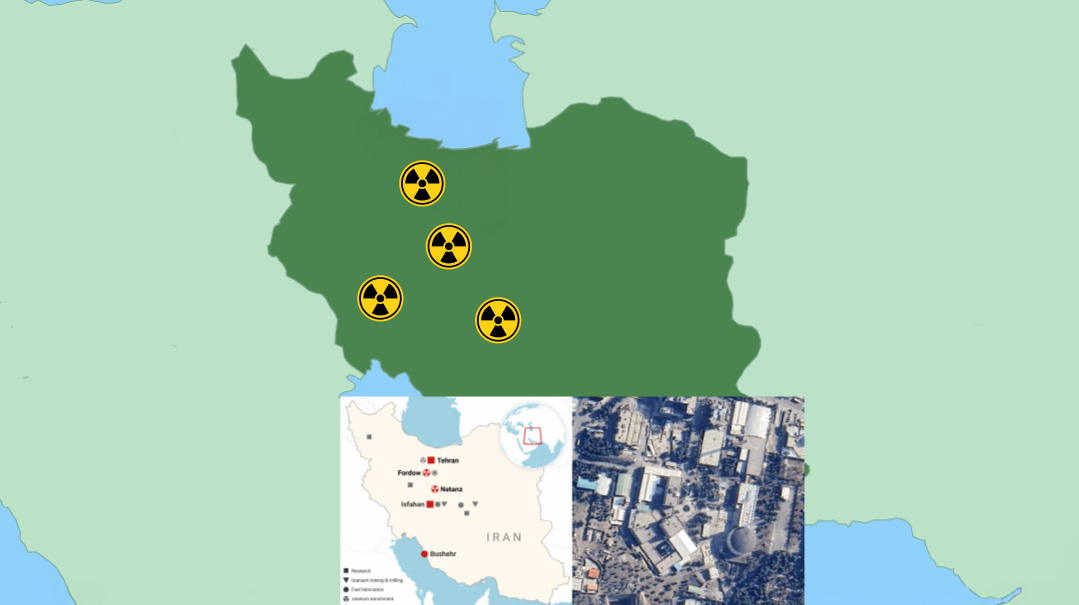
The combined impact of Israel’s strikes, followed by an American assault, dealt a significant blow to Iran’s nuclear program. America’s Chairman of the Joint Chiefs of Staff announced that its strikes had caused “extremely severe damage and destruction.”
Yet with initial evaluations relying largely on satellite images, the extent to which Iran’s capability to produce an atomic weapon was impaired or delayed remains unclear. A better understanding of what was accomplished runs through a map of the key targets.
IT was believed that over 10,000 centrifuges were housed in underground halls of the facility in Natanz. These devices are essential to enriching and purifying uranium to the 90% level needed to produce a nuclear weapon. The IAEA confirmed that the uranium there reached 60%, which could easily be refined to weapons grade.
Israeli air strikes destroyed the plant’s main buildings and cut its power supply, slowing the centrifuges from spinning at the high speeds needed to keep them operational.
Create a free account to keep reading.