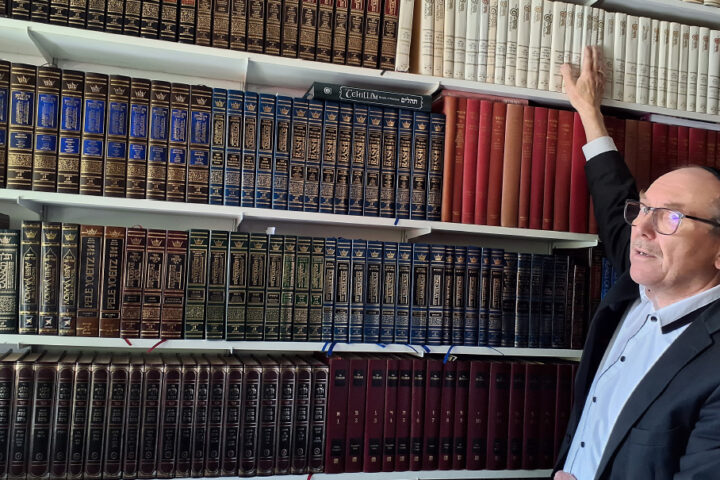
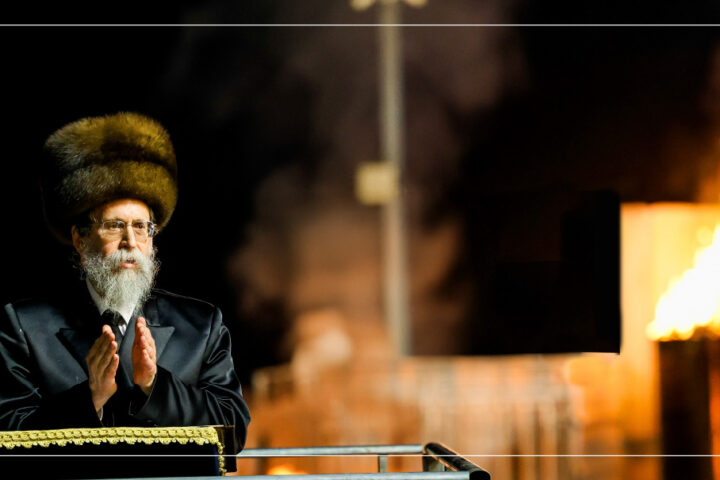
In the heart of Tel Aviv, Rav Mordechai Auerbach leads a community of baalei teshuvah out of a chassidic shul
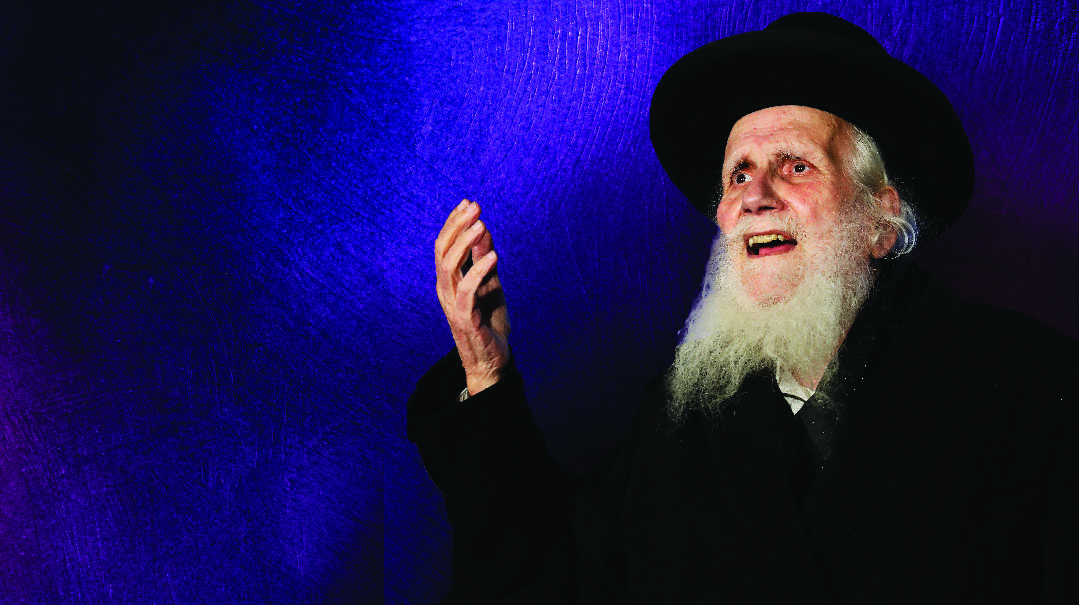
Photos: Matisyahu Goldberg, Rabbi Aharon Goldberg archives
Until a few years ago, each one of the young bochurim now standing in a row had studied at a regular chassidic cheder.
But along the way, something imploded. Today, we know that the issue has a name: the second generation of baalei teshuvah. But then, it was a rift and a crisis of trust between parents who had made their way back to their heritage, and the staff and administrators of the schools they aspired to, who had been used to a different, more traditional style of parents, not completely ready for this new demographic.
This early struggle of the kiruv movement was proof to those who thought outreach needed to be approached a bit differently. The baal teshuvah family needed a support system, a comprehensive network for the road ahead.
Once the issue was identified, change could happen. A new cheder opened. The hanhalah, most of the rebbeim, and all the students were members of this second generation. Here, everyone spoke the same language.
Create a free account to keep reading.