9 writers hearmessages from daysgone by reverberatingin their own lives

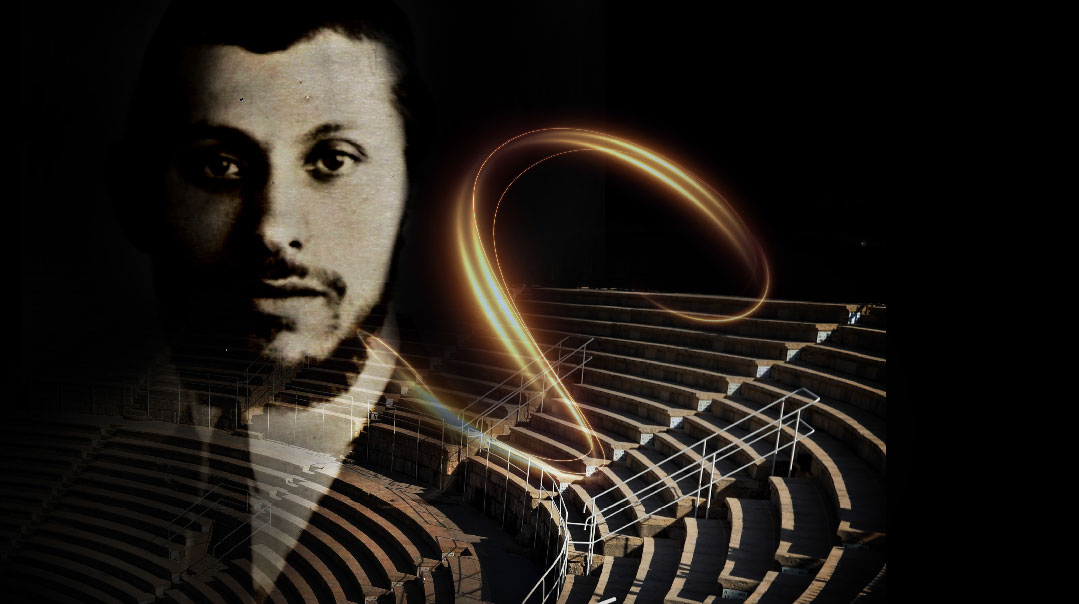
Caesarea, 1 BCE
The ancient harbor of Caesarea rose from the depths and straddled the open sea. Vast stone piers with storage vaults, promenades, a temple, and even an amphitheater — it was the first engineering feat of its kind known to man.
As I tour the sandy site on a hot summer’s afternoon, brine tickles my senses and sea air whips at my neck. Seagulls preen their feathers along the jutting walls. I close my eyes and the uneven cobblestone harbor fills with scenes from the past: lazy donkeys flicking their tails while their masters trade loudly with the crowds, foreign spices, bales of silk, turbaned merchants counting amphorae of wine before seeing them laden onto the galleys.
Ships had harbored at Caesarea for centuries. But one man was responsible for the harbor’s rebirth, for turning this sleepy seaside town into a bustling commercial hub. Herod.
An Edomite slave who served the last remaining links to the Hasmonean dynasty, Herod craved recognition, power, and wealth, stopping at nothing to gain his desires. He murdered his masters but spared their daughter so that he could make a legitimate claim to the throne through marriage.
Create a free account to keep reading.