In truth, Israel and Kazakhstan have maintained diplomatic relations for decades
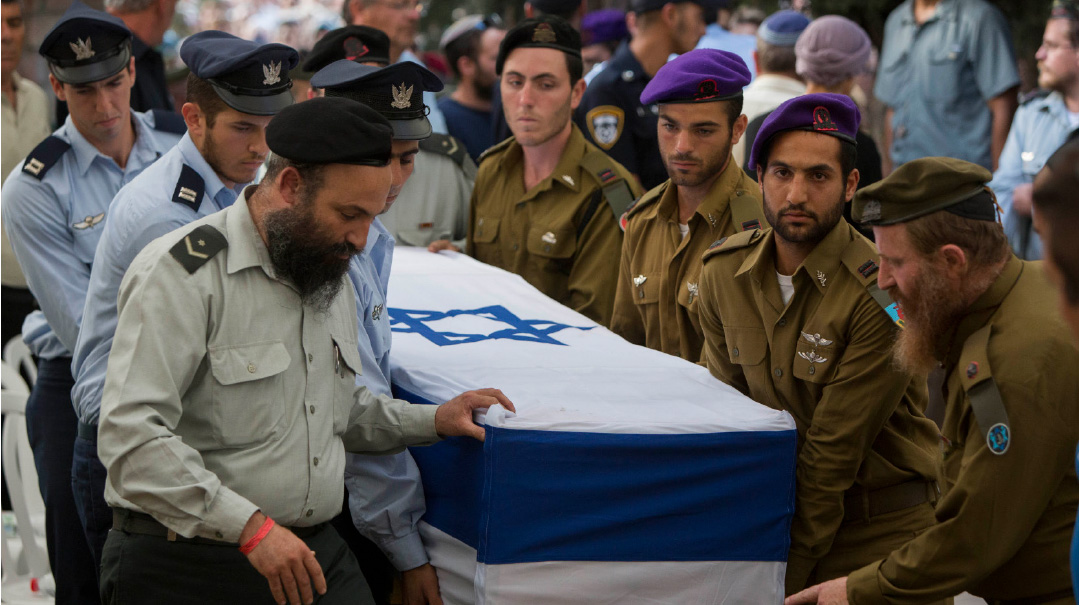
IT was a deeply emotional moment for Israel as the remains of Lt. Hadar Goldin, the young soldier killed as a ceasefire took hold at the end of Operation Protective Edge in 2014, were returned on Sunday. His long-awaited return was part of the ceasefire agreement that followed the war ignited by Hamas’s October 7, 2023 attacks.
Here are five things to know about the Goldin case:
On August 1, 2014, just an hour after a US and UN-brokered ceasefire took effect, Hamas gunmen emerged from a tunnel in Rafiach and attacked an Israeli unit dismantling the group’s underground network. Three soldiers were killed, among them 23-year-old Lt. Hadar Goldin of the Givati Brigade. His body was dragged into the tunnel, and within hours the ceasefire collapsed. What began as a brief truce became one of the most painful chapters in Israel’s history with Hamas — one that would stretch over 11 years.
For more than a decade, Hadar’s parents, Leah and Simcha Goldin, led a relentless campaign to bring their son home. They met with world leaders, spoke at the United Nations, and accused Israeli governments of complacency. “We fought for three values,” Leah often said, “camaraderie, human dignity, and the belief that Israel does not abandon its soldiers.” Their struggle kept Hadar’s name in the national consciousness and turned his case into a moral touchstone for Israel’s military ethos.
Create a free account to keep reading.