Musical colleagues mourn Yiddish composer and singer Michoel Schnitzler
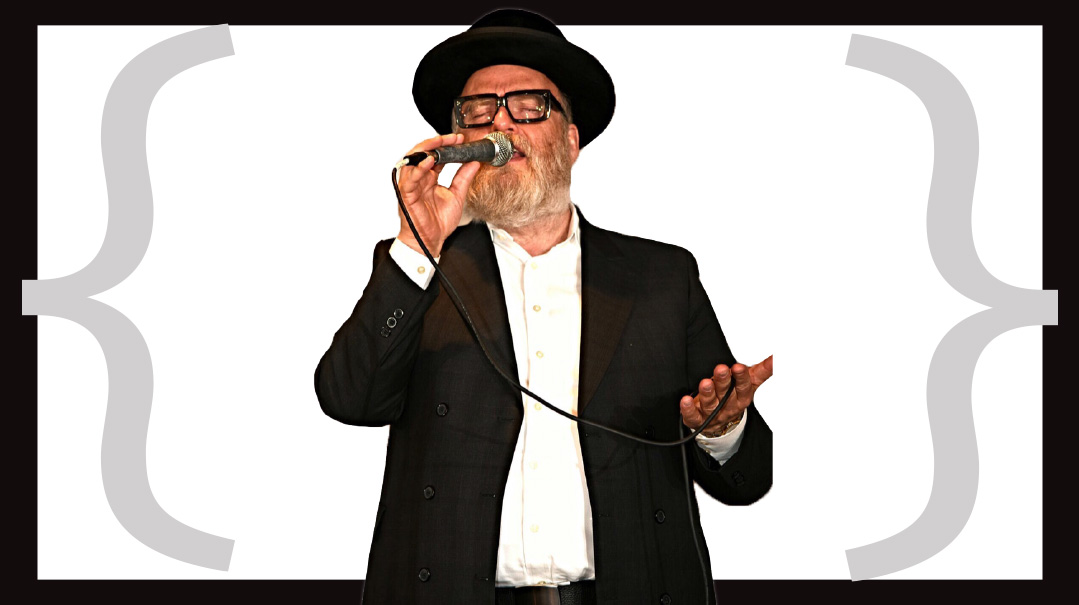
Michoel was both my uncle and my musical role model. He was very warm and devoted to the family, and when he saw I was interested in music, he bought me my first keyboard.
He shone as a performer, with a presence that would transform a crowd and create incredible energy. These days, with the dance music so loud and the beats so fast, maybe a wedding singer has an easier time getting the dance floor pumping with joy. But back when he started out, Michoel, who was one of the first chasunah singers, had to work hard, to push with everything he had. Yes, it’s true that the very first time he sang at a wedding, he faced the wall rather than the crowd. But when he turned around and saw how the men were dancing, he realized this could be a game changer.
Not only was Michoel the first to sing through the entire dance set at weddings, he was an innovator in developing the musical potential of vocals. In the days before professional sound technicians arranged sound systems at frum weddings, Michoel figured out on his own how to optimally manipulate the microphones and amplifiers. Then he took it further. Years ago, he was at a wedding in Monsey, and the chuppah was delayed. While waiting, he went into a local music store and asked them if they had any equipment that could give a singer’s voice some extra effect. So they gave him a guitar effects pedal, something commonly used by guitarists to alter the sound of their instrument by changing the waveform of the guitar signal — for example, to make the sound delayed, sustained, or reverberating. He took it, and, on his own, figured out how to use it while singing. He was almost certainly the first vocalist in frum Jewish music to use an effects pedal, but others emulated him, and to this day we use it when professionally mixing music. But more than that technical skill, what he brought to a wedding was the infectious simchah, the energy of his stage persona, and magnetism of his delivery.
Michoel’s debut wedding music album, A Yiddishe Simcha, was released in 1994, and by 2000, his first Yiddish album was out there, creating a new niche in music. Two entire albums are on the theme of Shabbos, which he was deeply connected to, and his petirah occured very, very close to his beloved Shabbos. He was a deeply emotional person, and I still cry when I listen to “Yesimcha Elokim,” from his first album of Shabbos songs.
Create a free account to keep reading.