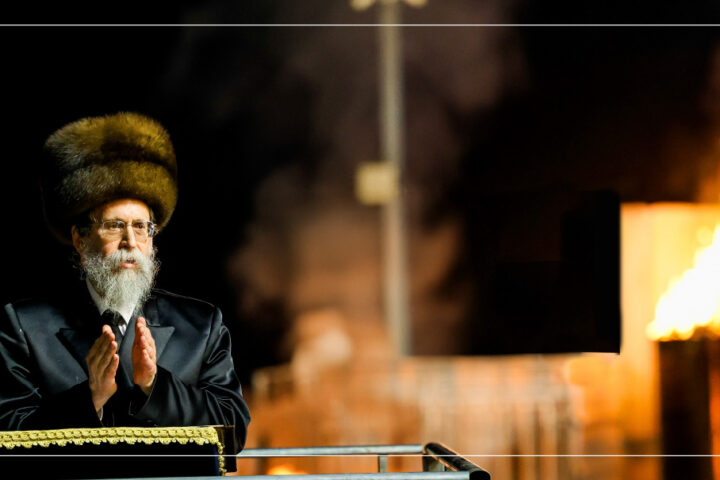
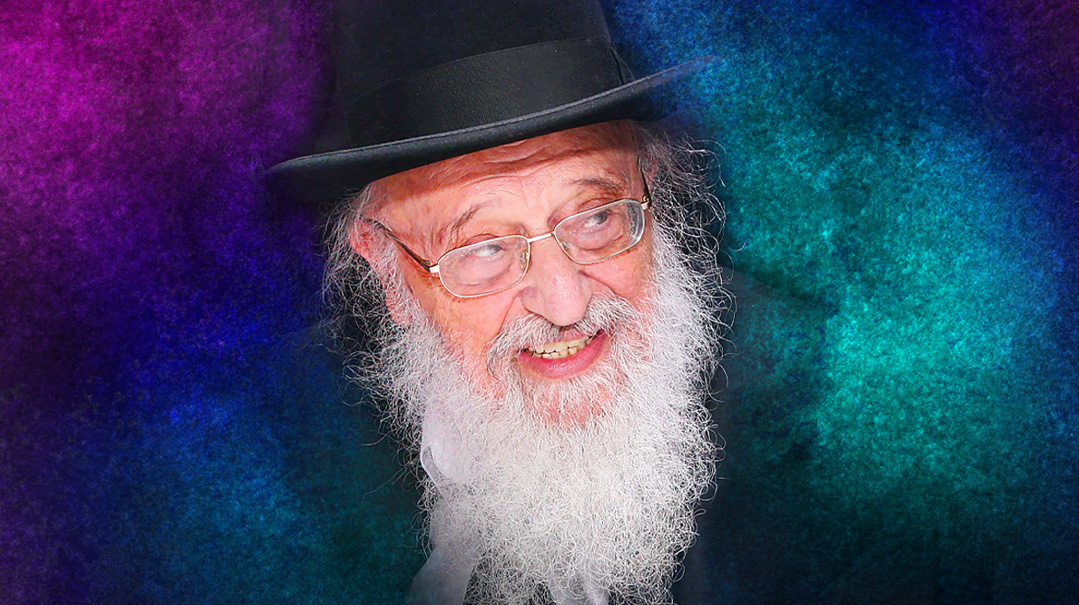
Rav Meir Tzvi Bergman travels across the ocean to celebrate those who learn and live Torah
Photos Mattis Goldberg
In Yerushalayim, lineage means a great deal.
The families of Meah Shearim glory in the great deeds of ancestors they’ve never seen; the clever women choosing tomatoes in the shuk near the Yeshuas Yaakov Shul can identify familial traits that run back generations in a child just two years old.
And in that city of distinction, the Jerusalem of a century ago, the Bergmans were aristocracy. Residents of the Old City for seven generations, they were eineklach of Rav Avrohom Shag-Zwebner, the talmid of the Chasam Sofer who left his position as Rav of Kobersdorf to ascend to Yerushalayim, prompting his devoted talmid Rav Yosef Chaim Sonnenfeld to follow. They were eineklach of Rav Eliezer Bergman, one of the earliest builders of the Holy City. The Kollel Ho”d (Holland and Deutschland, whose immigrants the kollel would serve), which he established in 1838, built housing and raised significant sums for the Jews of the city.
Along with the rich lineage, there was something else. With the unique candor of the people of that city, my Yerushalayim-born grandmother, may she be well, recalls her cousins, the Bergmans: Aside from the scholarship and distinction, “Zei zennen gevehn hoicheh uhn sheineh” (they were tall and good-looking).
Rav Moshe Bergman was a familiar figure in the alleys of the Altshtot, the Old City, a respected member of the Perushim community, but also welcome in the courts of the chassidim as a great admirer of the tzaddik Rav Shloim’ke of Zvehil.
Create a free account to keep reading.