The holiest city in the world is full of historical surprises in the most random places
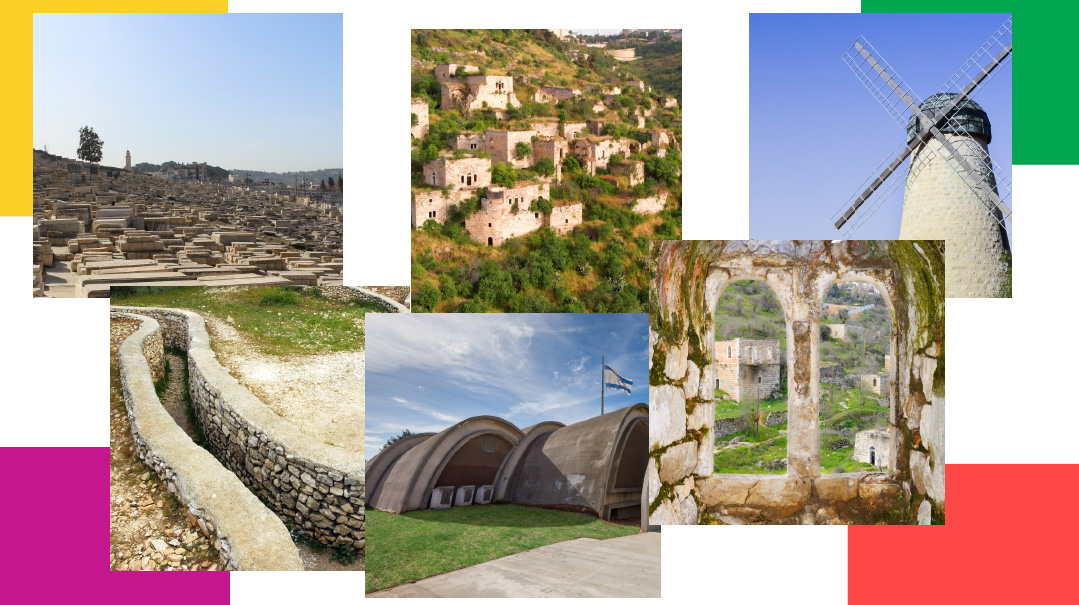
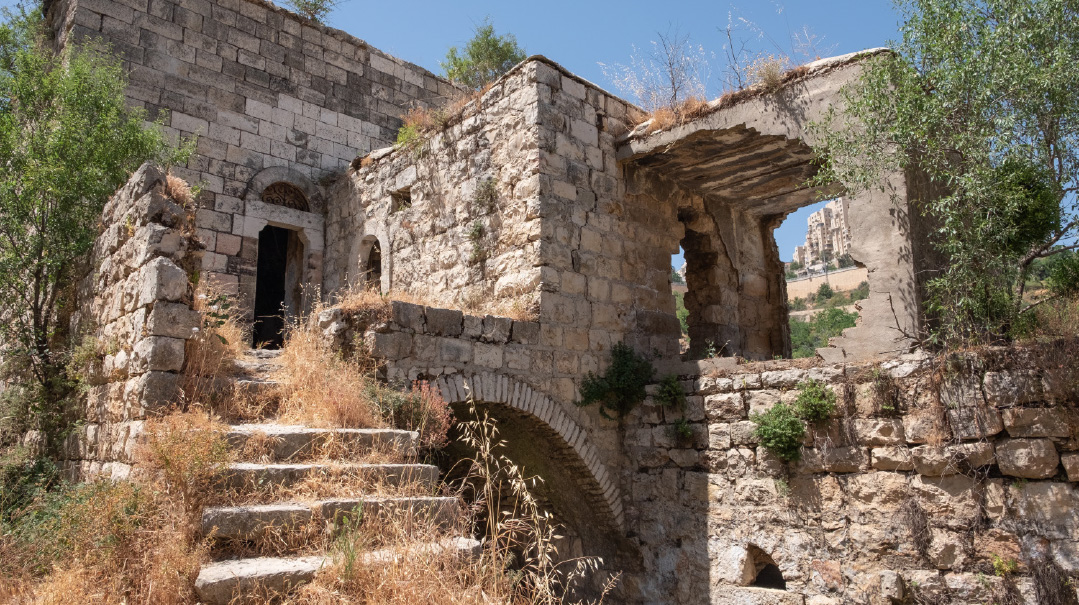
There’s nothing quite like driving up the winding road that leads to the northern entrance of Yerushalayim to give you that feeling of coming home. But don’t let the famous Chords Bridge steal all your attention. Nestled in the valley just below the highway is an ancient settlement. If you’re on the highway and look closely, you just might catch a glimpse of the ruins.
People have lived in Lifta at least since the time of Dovid Hamelech. Many historians believe that Lifta is actually the same place as Mei Niftoach. Mei Niftoach is mentioned in the Torah, and it was a spring that acted as the border between Shevet Yehudah and Shevet Binyamin. That spring still exists today! It’s a popular swimming spot for locals. There’s also a water tunnel that kids love to explore.
Archeologists have found items from the time of Dovid Hamelech, as well as the courtyard of a home that existed during the Crusader period in the 12th century. Over the centuries, the population of Lifta grew in size. The ruins that you can see today were houses that were built in the 16th century, during the Ottoman era.
So, who lived in Lifta? For centuries, Lifta was a Muslim village. The villagers built homes and planted orchards on the steep hillside. There were all sorts of fruit trees, including olive, fig, pomegranate, citrus, almond, and apricot trees. If you hike down to Lifta around Succos time, the sweet smell of ripe figs from the dozens of fig trees will be overpowering. You might see some pomegranate trees, too.
Create a free account to keep reading.