We asked three economists: What is the so-called "Bidenomics", is it working, and do voters feel the difference?
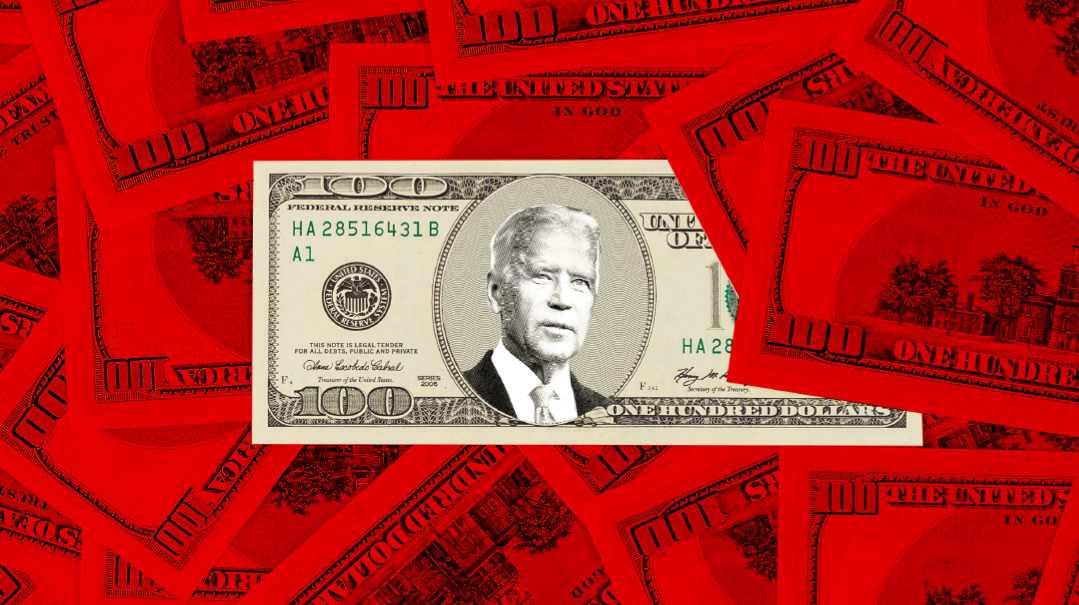
But there seems to be a gap between what Bidenomics actually does and what the administration hopes it is perceived as doing. While the White House has touted such achievements as record-low poverty rates and the fastest job creation in recent American history, these claims have not only been rejected by Republicans but also faced skepticism on social media, with critics charging that the administration fails to present concrete data.
In June 2023, President Biden said of his eponymous economic doctrine that it is “about growing the economy from the middle out and the bottom up, not the top down. It’s an economic vision where we make smart investments in America, educate and empower American workers, and promote competition to lower costs and support small businesses.”
These propositions would sound agreeable to most people, but they are undeniably vague. And Americans are very much of two minds about how the economy is doing; a new CBS News poll finds that 46 percent describe the job market as “good,” but 65 percent describe the economy overall as “bad.” Biden has his work cut out for him in selling Bidenomics.
To try to distinguish the administration’s portrayal of Bidenomics from the actual economic effects of its policies, Mishpacha spoke with three prominent economists, who each offered his own interpretation of the official figures: Benjamin Friedman, Harvard University professor of political economy; Laurence Kotlikoff, professor of economics at Boston University; and Douglas Holtz-Eakin, president of the American Action Forum and former chief economic policy advisor to Senator John McCain.
Create a free account to keep reading.