In the alleys of Jenin and beyond, terrorists can never be sure who’s signing their death warrant
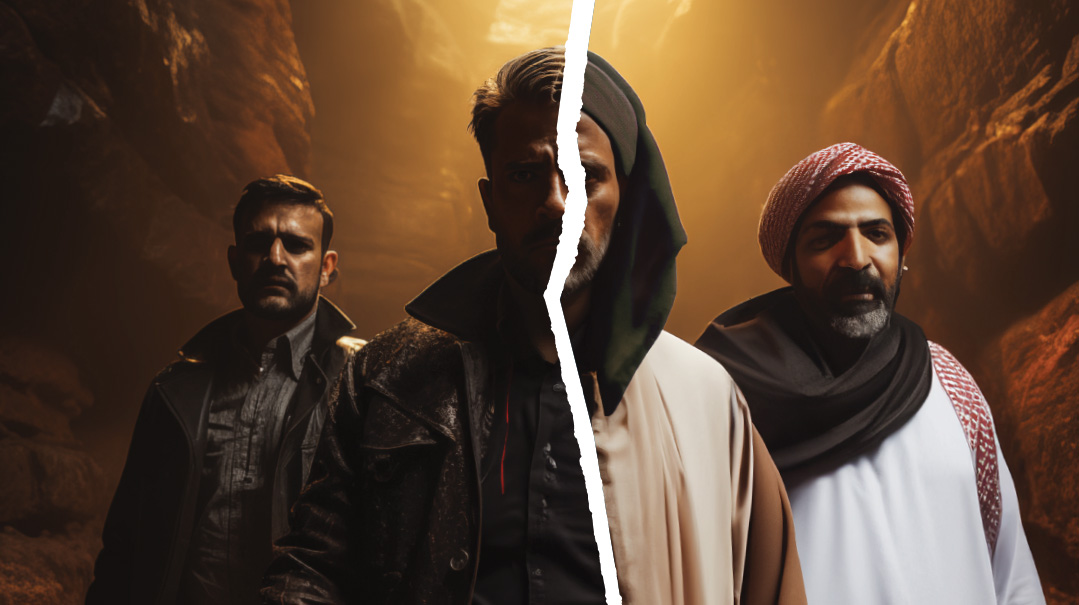
This is the modus operandi of elite commandos trained to infiltrate the heart of Arab society and seamlessly blend in. They are the “mista’arvim.”
While the video of the incident went viral, there is much more about these units that remains unknown — and that is the key to their success. Despite the fascination of media consumers with the cloak-and-dagger Mossad, the creation of these units has played a crucial role in preventing attacks, making arrests, and, of course, eliminating enemies. Their stories are no less compelling than those of the more prominent international intelligence agency, and some may even argue that it’s easier to go unnoticed on the French Riviera than in the heart of territories controlled by Palestinian terror lords.
Undercover units have been a staple of security since the pre-state Jewish defenders of Palestine. Today, like his predecessors, a mista’arev — who might belong to Duvdevan, Shaked, Shimshon, Yamas, or one of the other secret units — takes on a dual identity after grueling, intensive instruction in Arabic and Palestinian cultural nuances that teaches him how to dress, eat, speak, and even smell like the local populace. That’s in addition to stealth and anti-terrorist combat training.
While each of the units has many members, each of those teammates essentially operates alone. “Ultimately, each operative is in the field as a loner,” related N., a former member of the mista’arvim in the IDF journal Bamachaneh. “Even if there are others from his unit on the same village street, he will still be a loner.” The fear, he said, can be paralyzing. “You’re alone, in the heart of enemy territory, and the smallest misstep could lead you to be discovered.”
Create a free account to keep reading.