Will Trump listen to Bibi on Iran, or will he calm his Arab partners?
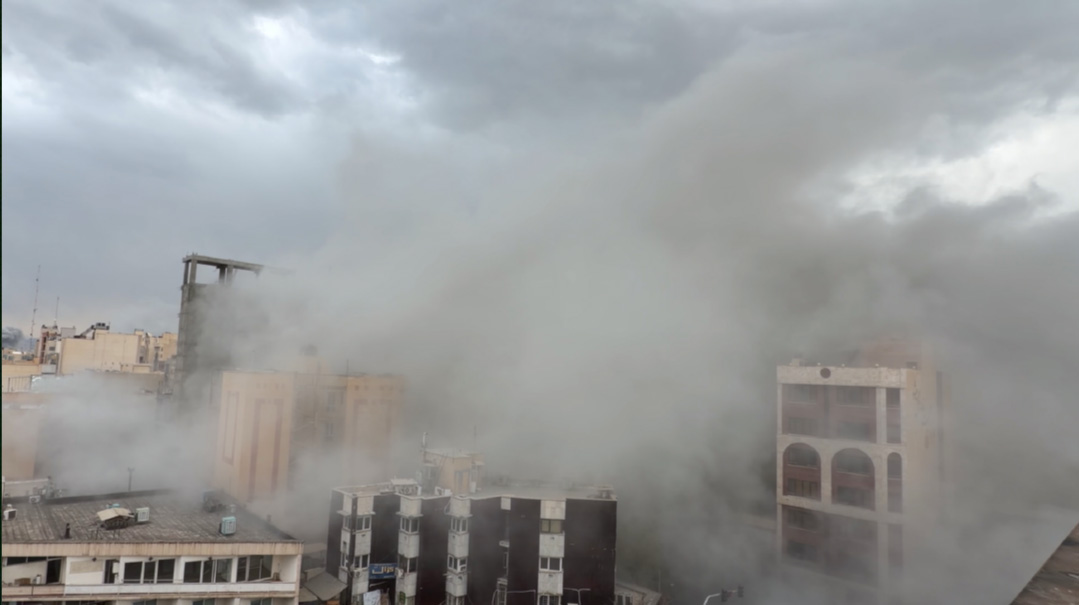
Trump’s statements are often premature and don’t always stand up to scrutiny. As I noted then in these pages (“The Clock Strikes Midnight,” Issue 1067), it would take months to accurately assess the damage. Recent satellite images show Iran engaged in salvage and recovery at the bombed sites, and while most experts believe the centrifuges producing enriched uranium are down, some may remain. The main worry is the location of Iran’s stockpile of a half-ton of enriched uranium, theoretically enough for about ten nuclear weapons. With enough time and breathing room, Iran might resume enrichment activities. Either Trump, Israel, or both must act before the threat grows.
While Iran’s nuclear capabilities remain theoretical, its ballistic missile capabilities are real. Last June, Iran fired more than 550 ballistic missiles and launched more than 1,000 drones at Israel, killing 32 people, injuring more than 3,000, and resulting in more than 40,000 damage claims. Intelligence officials fear Iran could fire chemical or biological missiles in a future attack. No matter how well Bibi and Trump work together, Netanyahu fears Trump’s penchant for dealmaking could lead to a replay of President Obama’s 2015 deal with Iran, which focused on nuclear enrichment and ignored ballistic missiles. Israel can’t live with a deal that doesn’t address the full spectrum of risks.
Arab countries fear that Iran would retaliate to a US attack by shutting down the region’s oil shipping routes, inflicting serious economic damage, so they’re pressuring Trump to pursue the diplomatic track. The Trump administration is also sensitive to a spike in oil prices that could reignite inflation and make gasoline unaffordable again.
It’s important to note that Israel is not seeking an attack that could provoke a serious Iranian counterattack, joined by Iran’s proxies such as Hezbollah and the Houthis. Israel would also prefer a path in which the US could apply sufficient military and financial pressure to spark a new round of protests and topple Iran’s government. Trump also promised Iranian protestors that help is on the way.
Create a free account to keep reading.