Inside Joey Newcomb’s melodies lie deep messages that resonate with a new generation. PLUS watch Joey and friends in action!
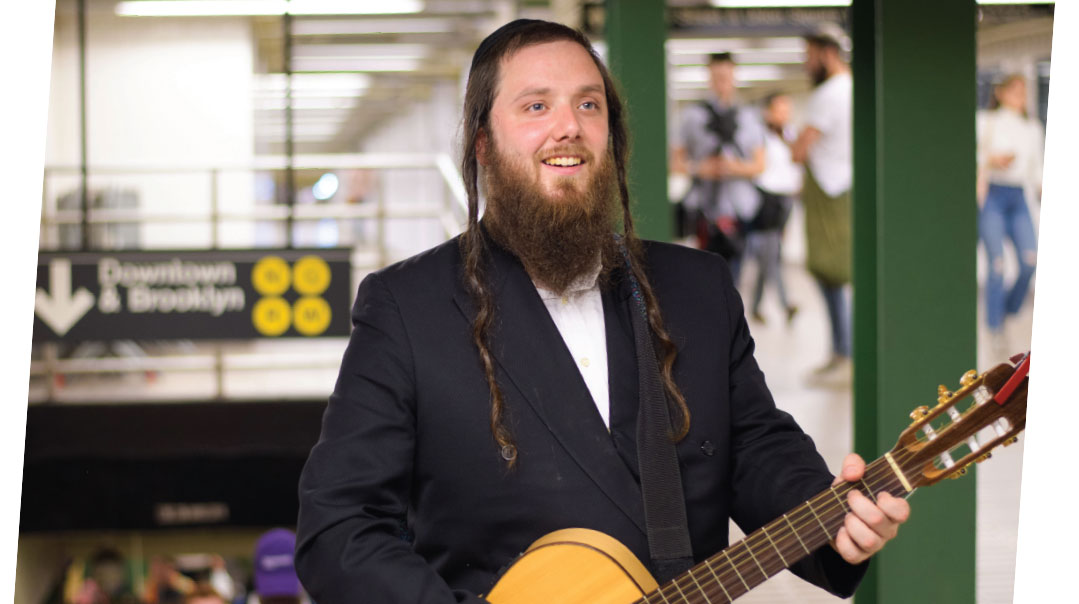
Nothing says New York like an impromptu performance in an underground train station, as humanity in all its stripes and types rushes by. The 14th Street–Union Square station in Manhattan is so busker-friendly there are hooks for musicians to hang their banners on a wall near the stairs to the Q, N, and R trains. On this September morning, there’s a middle-aged black woman in jeans with a small speaker and mic, singing renditions of swing classics in a warm, pleasant alto.
Despite her enjoyable, if low-key, performance, few people pay attention. They have places to go, people to see — and the rumbling of trains one flight down often drowns out her voice anyway. But maybe she shouldn’t feel insulted. When violin superstar Joshua Bell played his three-and-a-half-million-dollar violin in a D.C. metro station as part of a stunt for the Washington Post, only seven people stopped to listen in 45 minutes (one was a three-year-old boy).
But now the swing singer is packing up, yielding her space graciously to three guys in yarmulkes and white shirts who just floated in. They’ve got considerably larger equipage: a singer, a keyboard, a flute, a guitar, a speaker. As they set up, clearly comfortable with each other and pumped about playing, they draw curious glances from bystanders hurrying to catch their next train.
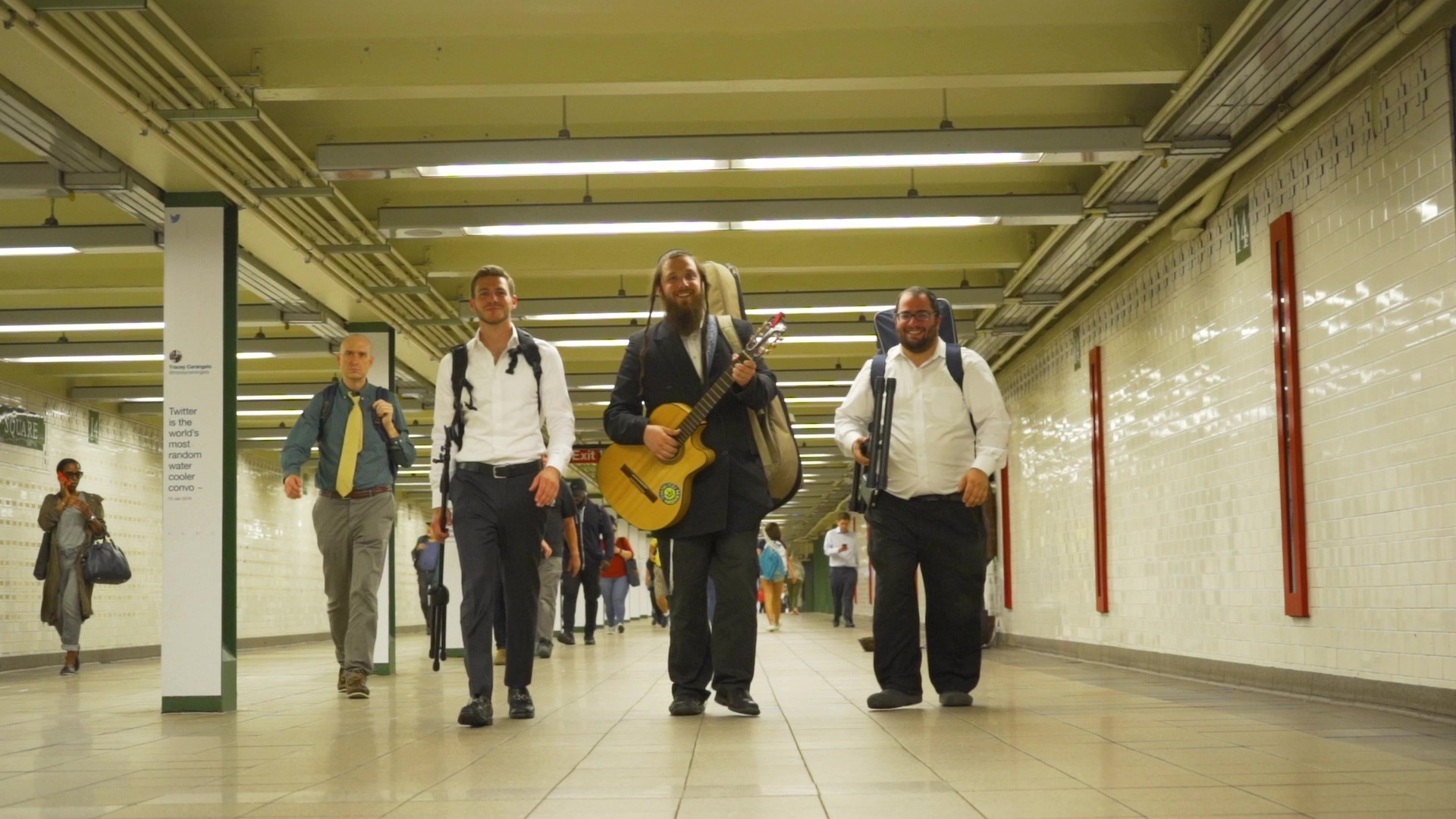
And then their music bursts out — a glorious mix of niggunim, jazz, and Jewish pop songs, the sound rising and filling the cavernous space of the subway station. The musicians play with such obvious delight and high spirits that people start pausing to listen, taking out their cell phones to record. Joshua Bell’s multimillion-dollar violin may have gone ignored, but this is an undeniable curiosity: How often do you see those dour, insular religious Jews rocking it up in public (and doing it so well)?
Create a free account to keep reading.