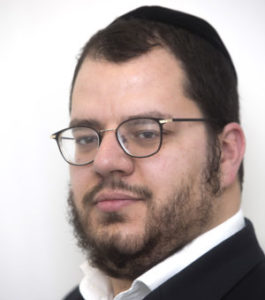
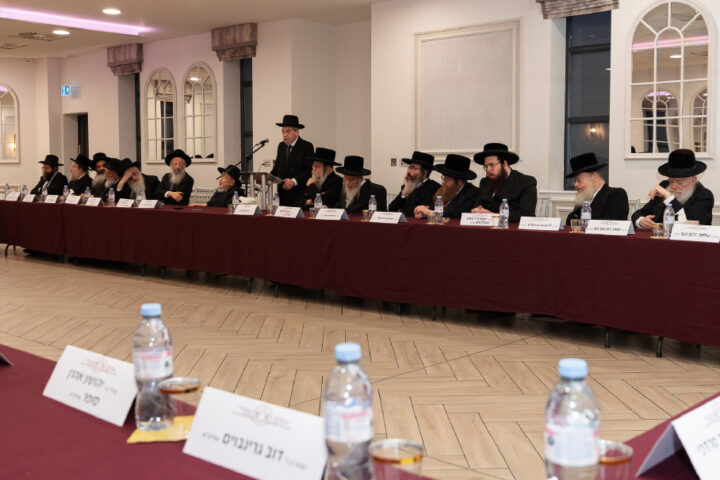
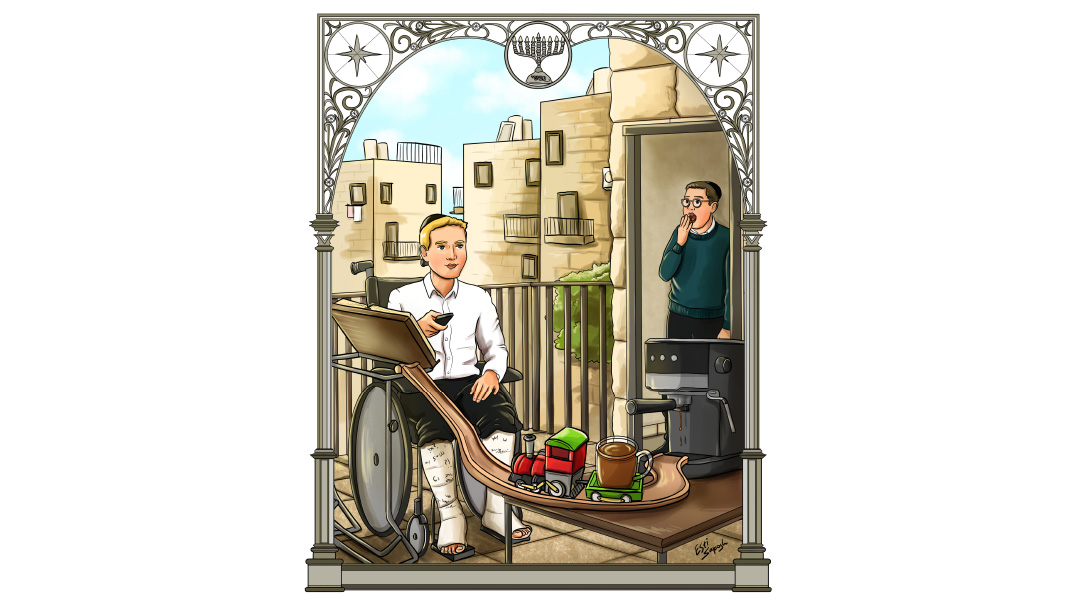
They wear kippot serugot under their shtreimels, gartels over jeans or army fatigues. They are chassidim of the Pashkaner Rebbe, Rav Yisrael Friedman, who believes he’s been able to bridge major gaps in Klal Yisrael.
T
hat end-of-summer scent drifts through the evening air in the definitely un-chassidic southern Jerusalem neighborhood of Gilo. The large building at the bend in the road beckons with its light, as I step inside to a perfectly-set rebbishe table, two flames flickering atop a pair of silver candlesticks. A silver goblet with a rounded cup and slender leg stands prominently in the center of the table. The chassidim in their gartels focus on one person.
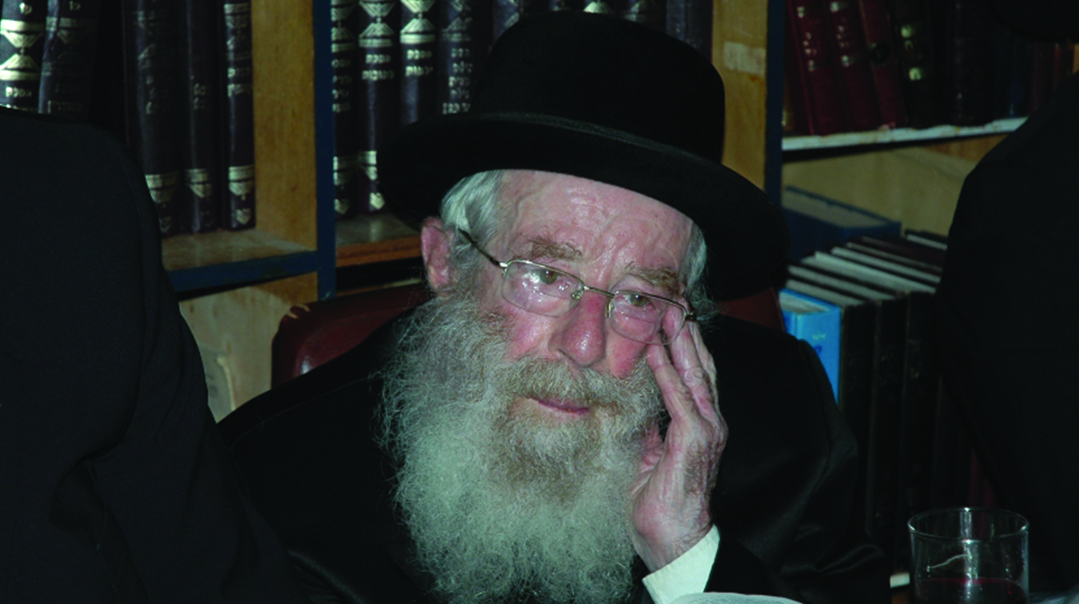
At the head of the table sits the Rebbe, the son-in-law of the Imrei Chaim of Vizhnitz and a sixth-generation descendant of Rav Yisrael of Ruzhin. His eyes are closed and his right hand covers his forehead, in the customary posture of the dynasty. An elegant fur kalpik conceals his knitted yarmulke. Behind him sits his son, a brigadier in the IDF, with a gartel wrapped around his waist. Alongside him are the Rebbe’s grandsons, students in various hesder yeshivos, with matching kalpiks.
Absolute silence reigns in the room. Now Brigadier General Hoshea Friedman begins to hum “Ranenu Tzaddikim,” one of the 26 niggunim of dveikus composed by Rav Yisrael of Ruzhin. The chassidim join in. The singing grows louder, the lyrics emerging in the clear, fluent Hebrew of native Israelis. The chassidim sway gently back and forth. The voices are like those of Bnei Brak chassidim, but their appearance marks them as Religious Zionists from Gilo.
Am I hallucinating?
It’s two weeks later, and I can’t shake the vision from my head. I’m compelled to find out more about this tish I’ve visited, a scene reminding me of tzaddikim who are pictured in all sorts of settings, transcending time and space. And so I make my way to a modest house in Gilo, behind a pastoral row of trees and next to a gate emblazoned with a “beware of dog” sign. Here lives the Rebbe of Pashkan, a crown prince of the Ruzhiner dynasty and leader of the last Zionist chassidic court in history. While the population around here is varied, chances are that none of the residents fathom the twin flames whose joint fire burns in this house: the dynasties of Ruzhin and Vizhnitz.
Create a free account to keep reading.