In the eyes of the world, Rabbi Cohen’s men have reached their rock bottom, but in the eyes of those inmates, he’s an angel sent from Above to confirm their indelible humanity
Photos: Elchanan Kotler
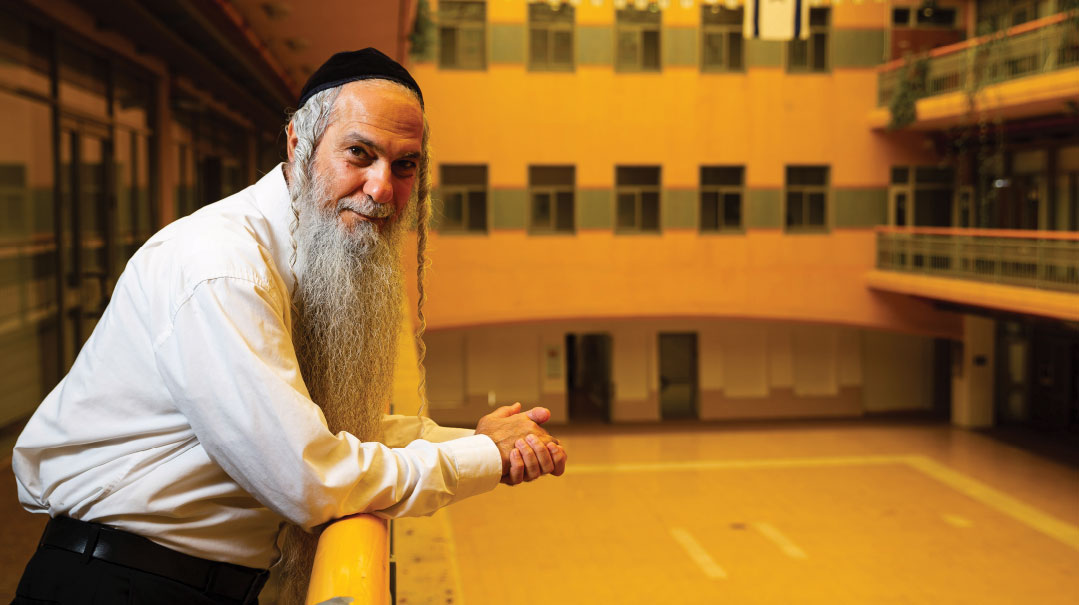
Between jutting boulders and slabs of rock on an isolated strip of beach along the Jaffa coast, Rabbi Avinoam Cohen sits in a circle with a motley group of men, from their twenties to their fifties. In the center, he places a pile of stones.
“Now we’re going to do our version of Tashlich,” he tells the men as he hands out pieces of paper and pens.
While grown men generally have better things to do than play a social-interaction game on the beach, for these fellows the exercise can be life-altering. They are prisoners on their way back to real life, and Rabbi Cohen, developer and director of the religious section of Israel’s Prisoner Rehabilitation Authority, is their light at the end of a dark tunnel — the last hope of many who want to find their way back to normative society outside prison walls.
How does he transform a person who’s spent years in prison and reconstitute him as a “regular” citizen? Tough emotional work, says Rabbi Cohen, is part of the process for these men who’ve committed to embark on their personal teshuvah process, and this exercise is one example.
Create a free account to keep reading.