Unfortunately, there is often a stigma surrounding the use of medications to manage ADHD
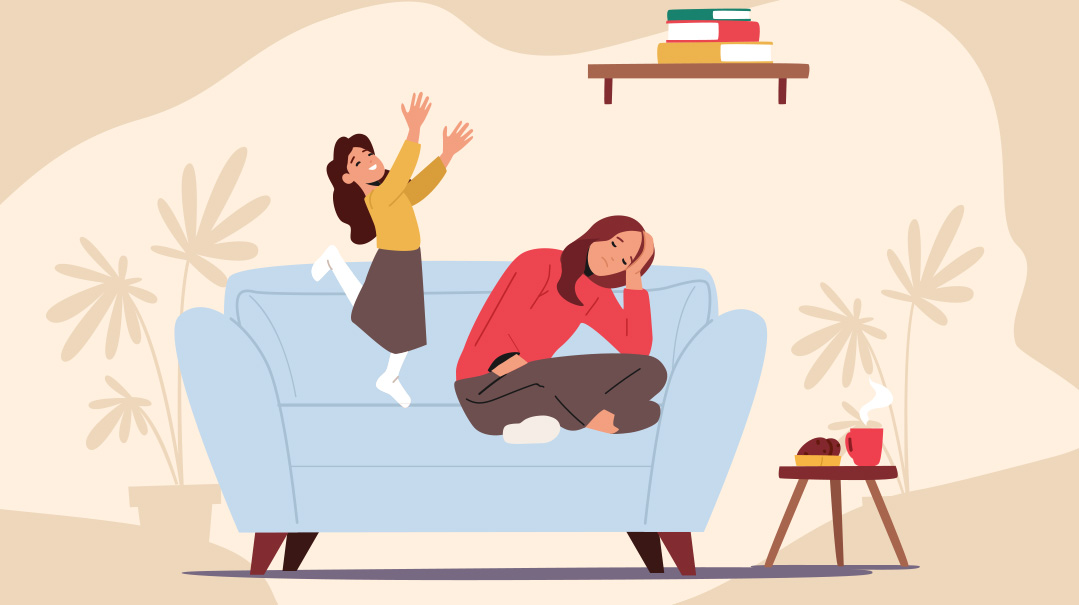
One extremely common issue I discuss with families in my practice is Attention Deficit Hyperactivity Disorder (ADHD). It’s estimated that five–ten percent of children in the United States have ADHD, with boys more likely to be diagnosed than girls.
ADHD is typically characterized by hyperactivity, impulsivity, and inattention. However, there are many nuanced and variable signs that prompt families or educators to investigate further. Teachers, tutors, and therapists often alert parents to their concerns, but an actual ADHD diagnosis is usually made by a medical professional, such as a pediatrician or psychiatrist.
Symptoms of ADHD must be present for at least six months and cause significant impairment in social or academic functioning. Bloodwork and imaging studies are typically not needed for diagnosis; standardized questionnaires are used instead.
Treatment options for ADHD may include therapy, coaching, and medication, including stimulants or non-stimulants. Medications can help improve attention and reduce hyperactivity and impulsivity, but they may also have side effects like appetite suppression and stomach upset. Behavioral therapy can help children with ADHD learn coping strategies and improve their social and academic skills.
Create a free account to keep reading.