Nurturing others is the greatest good
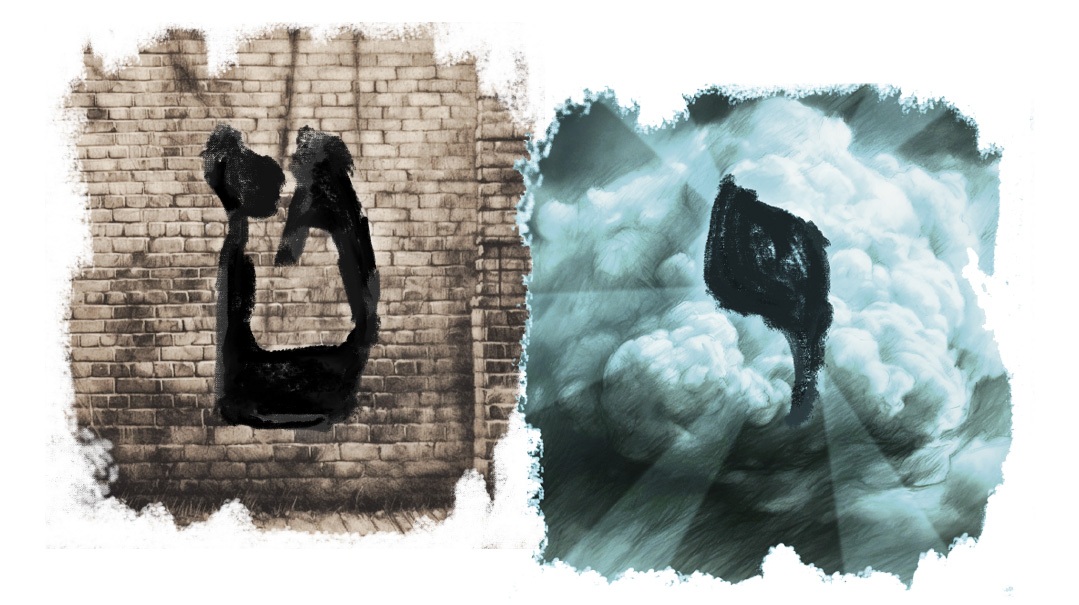
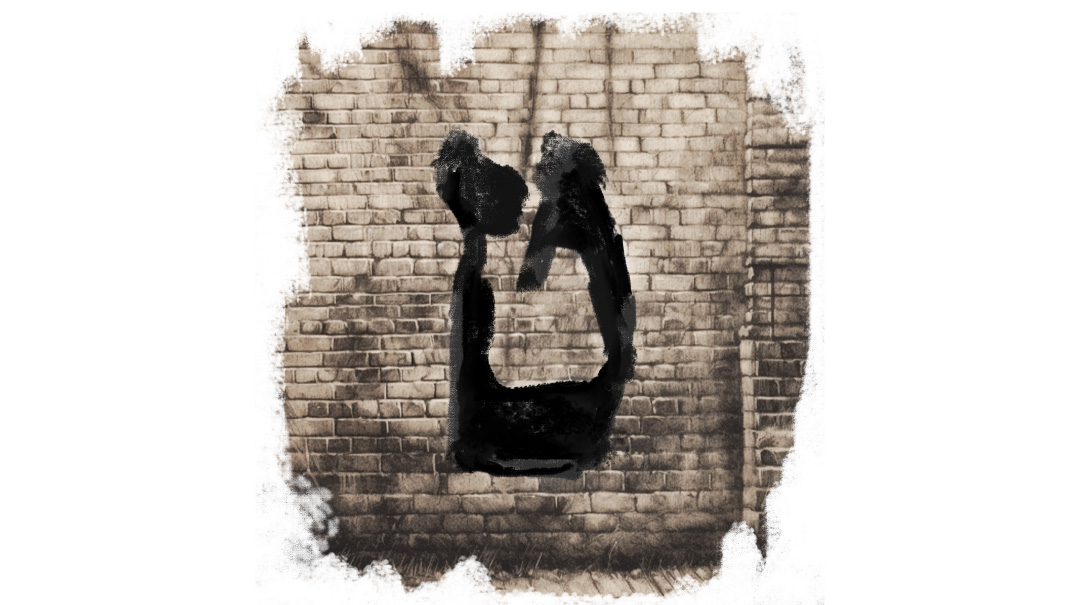
“Vayar Elokim es ha’ohr ki tov — Hashem saw the light, that it was good” (Bereishis 1:4). Our introduction to the letter tes in Torah is as the first letter of tov. At Moshe’s birth, Yocheved recognized in him something unique: “Vateire oso ki tov hu — she saw him, that he was good” (Shemos 2:2). In some very old sifrei Torah, this tov is written with an enlarged tes. This was not merely the adoring gaze a mother casts upon her newborn. Moshe was Tov — with a capital Tes. His arrival brought a special burst of light into the world, similar to the light of Creation.
Tes can be seen as an inverted womb; it is number nine, as in the nine months of pregnancy. Taking a piece of oneself and using it to produce another human being, then nurturing it to grow into an independent individual — what greater good can there be?
This is the goodness of Hashem, Who in His kindness produced us and our world, purely for our benefit, and allowed us to become independent beings. In the same vein, Moshe was, in a sense, the one who “delivered” Bnei Yisrael from the “womb” of Mitzrayim into the world, to become a nation in its own right.
Even in his prestigious role, Moshe was “anav mikol adam — the humblest of men” (Bamidbar 12:3), who took no credit for himself. The shape of the tes has a straight side on the left with a crown atop it, and a bent-over edge on the right — illustrating a man bowing and humbling himself before Hashem, acknowledging that we are servants of the King.
Create a free account to keep reading.