“...The Jewish mind does not recognize anything praiseworthy in the erection of not useful and salutary, although magnificent structures”
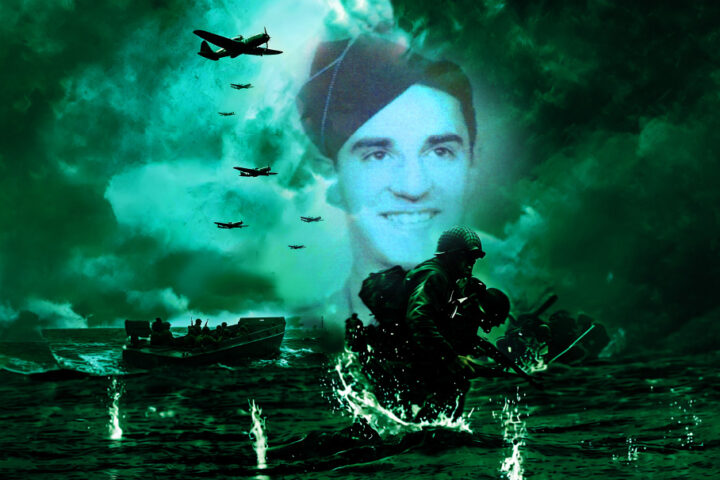
Judah Touro was born in 1775 into a prominent Sephardic Loyalist family in Newport, Rhode Island. He grew up in Jamaica and Boston, and moved to New Orleans in 1801, remaining there for the rest of his life. He amassed a fortune through ventures in commerce, shipping, and real estate investment. Despite his eccentricities, indecisiveness, and unique personality traits, the lifelong bachelor was known in New Orleans for his simple lifestyle, integrity in business, and philanthropic endeavors. In his later years, he renewed his commitment to Judaism, regularly attending Shabbos services at the Sephardic-Portuguese Nefuzoth Yehuda Synagogue. In 1854, he died heirless and willed a considerable part of his estate to Jewish institutions.
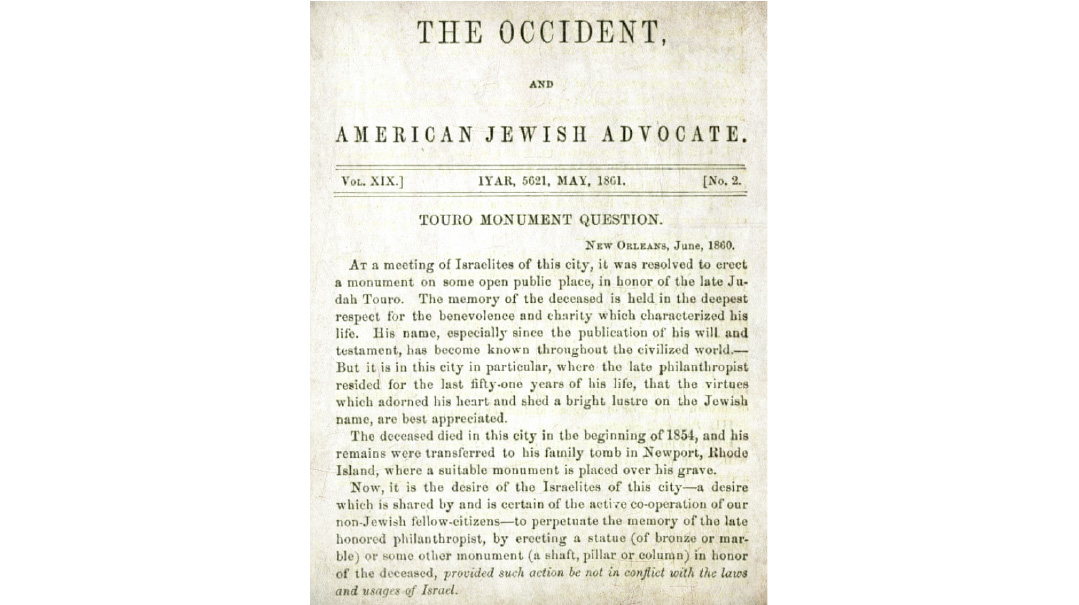
A few years after his death, some New Orleans citizens organized to erect a monument to Judah Touro’s memory, but the initiative faced opposition from a number of rabbis throughout the country, who asserted that Judaism forbade the creation of any graven image.
A fascinating account of this opposition can be found in the chronicles of Yisrael ben Yosef Binyamin, a 19th-century itinerant writer known by the pen name Benjamin II who modeled himself after Benjamin of Tudela, the famous medieval Jewish traveler. When Benjamin II arrived in New Orleans in April 1860, he was well received by the Jewish community. However, upon learning of the proposed Touro monument, Benjamin II objected, stating that the creation of a statue was clearly forbidden by halachah. His public protest against the monument led to a debate in the community that grew so heated that the visitor had to flee the city.
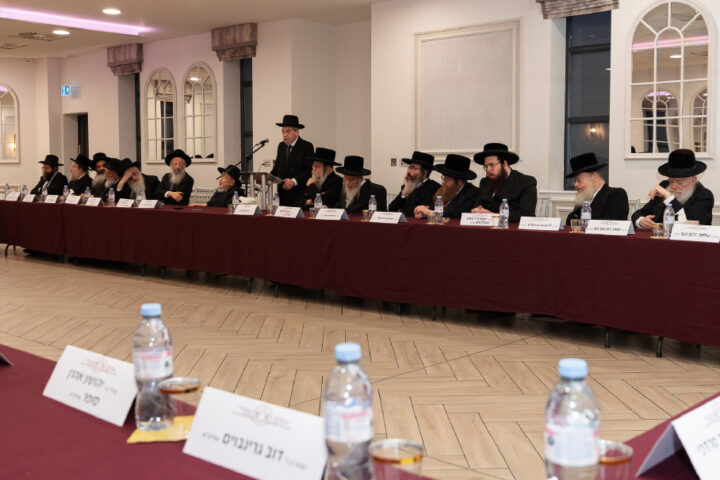
The community ultimately decided to consult rabbinic authorities in Europe. James Koppel Gutheim, acting president of the Touro Monument Association, wrote to Chief Rabbi Nathan Adler of London, Rav Shamshon Raphael Hirsch of Frankfurt, Rabbi Shlomo Yehuda Leib Rappaport (Shir) of Prague, and Dr. Zechariah Frankel of Breslau requesting their opinions on the matter. Their unanimous decision was that the erection of such a statue was not permissible.
Create a free account to keep reading.