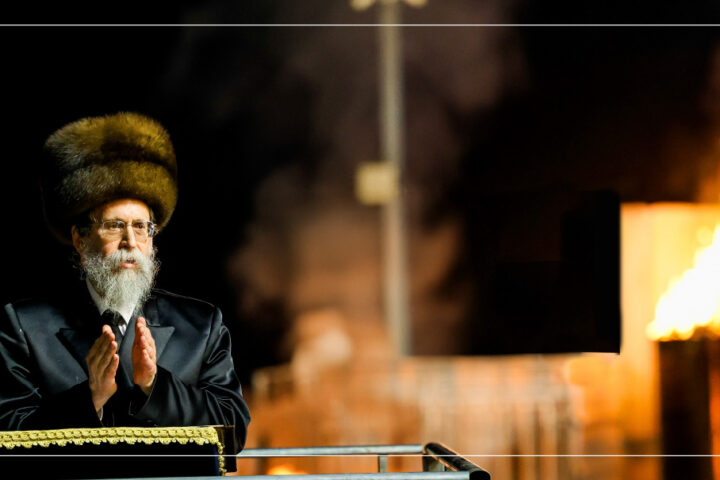
“Shir Lamaalos (Esa einai… ezri mei’im Hashem). It’s a song of longing, and also one of hope”
We have a kumzitz at the JLE every Thursday night, and the first week after Succos it was difficult to even choke out the words of “Acheinu Kol Beis Yisrael.” Since then, we’ve been singing “Ve’afilu Behastarah Shebesoch Hahastarah,” about how Hashem is with us even when He is hidden under layers of concealment. And with less frum audiences, “Tov Lehodos” always goes down well, with its reference to “emunascha baleilos — faith in the night.” We had our kumzitz streamed to 15,000 listeners one week via the London Jewish News, as we were joined by Assaf Flumi’s orchestra, who came and did an amazing free gig to be mechazek of Klal Yisrael.
I like to sit down with the chassan and kallah before their wedding and talk them through the meaning of all the chuppah songs, explaining the words and what they represent. Ohad’s “Yehi ratzon … veyitein lecha banim” is very meaningful.
MBD’s “Lonely People.” One thing I’ve learned is that people don’t realize how lonely they are or how lonely others are. This song resonates because it recognizes a very real issue. I think music can be a help in relieving this loneliness.
I love the Hallel section of Mah Ashiv LaHashem. It expresses our great gratitude to Hashem, and the words, “nedarai laHashem ashaleim — I will pay my vows to Hashem” remind us of the promises we made to Him, like those things we said and felt on Rosh Hashanah and Yom Kippur. When I sing this on Rosh Chodesh — using Rabbi Chait’s vintage Kol Salonika tune — I think of fulfilling my promises and being the person I intended to be on the Yamim Noraim.
Create a free account to keep reading.