A key component of helping children learn regulation skills is to model them
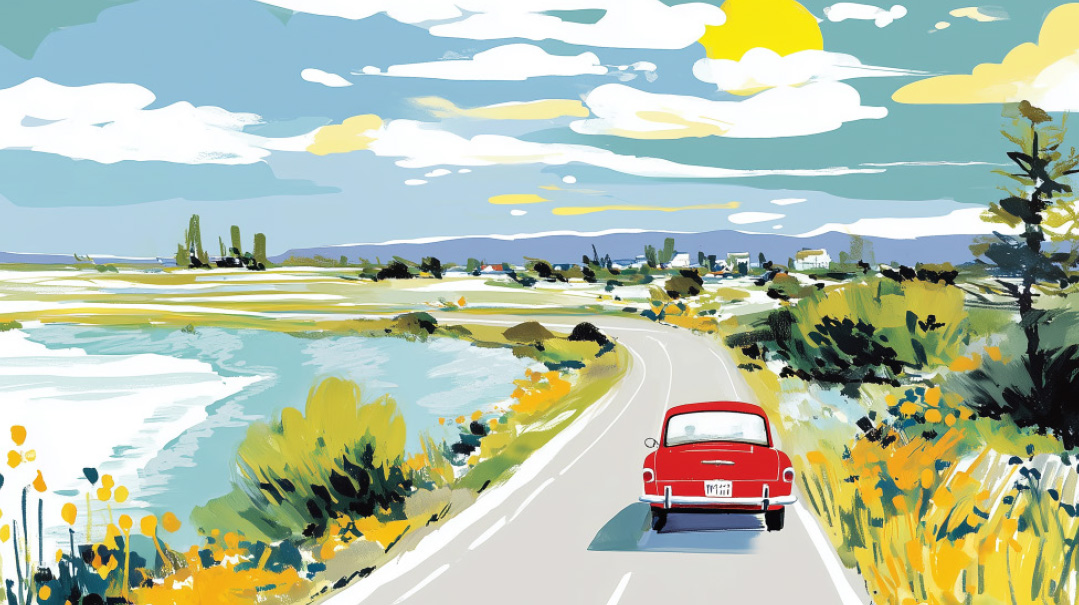
Imagine you are on a plane encountering a great deal of turbulence. As the people around you begin losing their cool, the pilot gets on the loudspeaker and yells at everyone to be quiet, shouting that the crying passengers are embarrassing themselves and making it harder for him to fly safely.
Alternately, imagine that the pilot opens the cockpit door in tears and begs you to help him fly the plane, because he is also scared and can’t do it anymore.
While both scenarios seem preposterous, they can also serve as a mirror. As Dr. Becky Kennedy, a popular child psychologist, once asked, isn’t this what we as parents sometimes do? In a difficult situation that requires us to be the mature adult in order to help our children, we often blame/shame them for their behavior or revert to helplessness.
In our analogy, we’d expect the pilot to announce that while there is turbulence and it’s normal to feel frightened, you can be reassured that he has much experience, is handling this well, and everyone is safe.
Create a free account to keep reading.