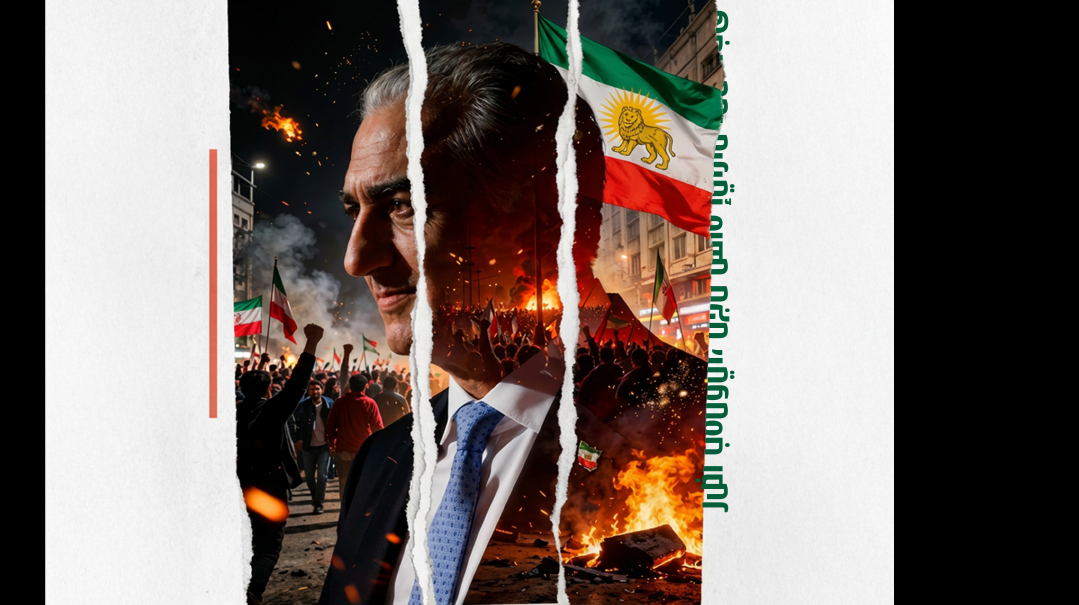
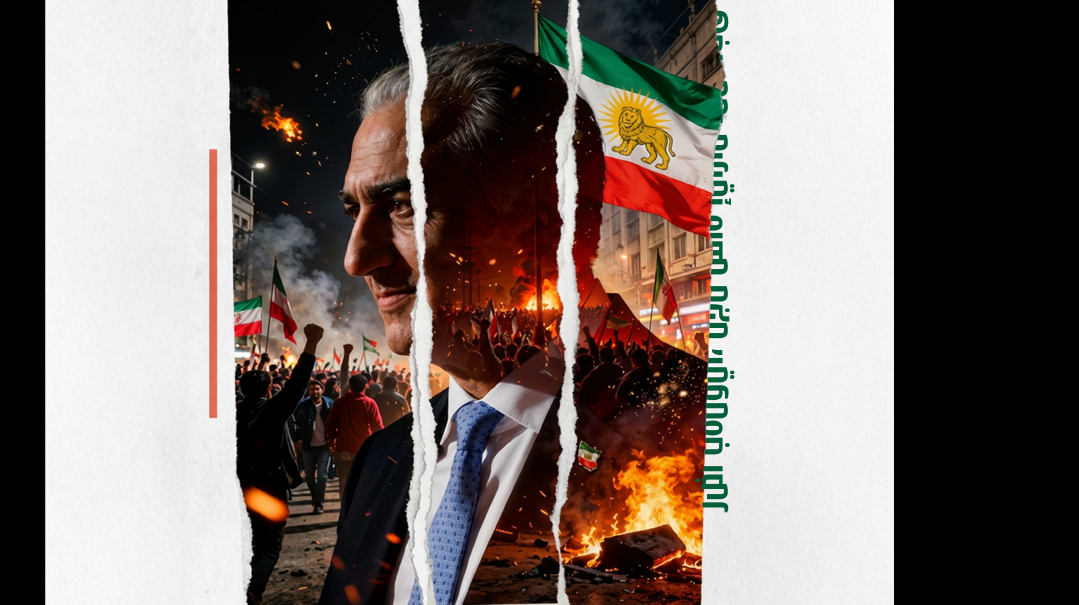
As Iran teeters on the brink,is Crown Prince Reza Pahlavi’s long exile over?
It’s October 26, 1967, and Reza Pahlavi, the seven-year-old crown prince of Iran, moves down the red carpet in Tehran’s Golestan Palace with a solemnity that feels borrowed from someone much older. His uniform is crisp, medals resting on his small chest. He walks deliberately, shoulders squared, eyes forward, mimicking the posture of the courtiers and generals who tower above him.
This is a special day, not just for him, but for his father. Mohammad Reza Shah Pahlavi has already been on the throne for 26 years. He has survived coups, foreign interference, war scares, and the long, grinding work of consolidating power in a country that has rarely known stability. Only now does he feel he has earned the title Shahanshah, King of Kings.
And so, the ceremony unfolds. The crown prince is not merely attending his father’s coronation. He is part of its justification.
As the shah takes his seat on a golden throne, radiant with authority, beside him sits his son on a smaller gold chair — the embodiment of the Pahlavi dynasty’s future.
Fast-forward to October 31, 1980. The room in Cairo’s Koubbeh Palace is splendorous, but in a quieter way that only exile can produce. It’s not a ceremonial quiet, but rather the stillness that settles after history has already moved on. Once the official guesthouse of the Egyptian government, the palace has become the shah of Iran’s final refuge, where Mohammad Reza Pahlavi spends his last months after the seizure of his country by Ayatollah Khomeini’s Islamist radicals.
It is here, far from Tehran and stripped of every symbol of power, that his son, Crown Prince Reza Pahlavi, is taking an oath not of triumph, but of inheritance. An inheritance without a kingdom. He’s becoming king in name alone, all alone.
Only months earlier, he had been a student pilot in the United States, while his country unraveled thousands of miles away. Now the crown prince stands in a borrowed palace, far from Tehran, far from the crown that had once defined his childhood, surrounded not by ministers of state but by a small circle of loyalists and family friends.
Those present at the unceremonious ceremony in Cairo would have sensed the cruelty of the moment. A king without a kingdom. A crown without consent. A future so uncertain it felt almost cruel to name it aloud.