A
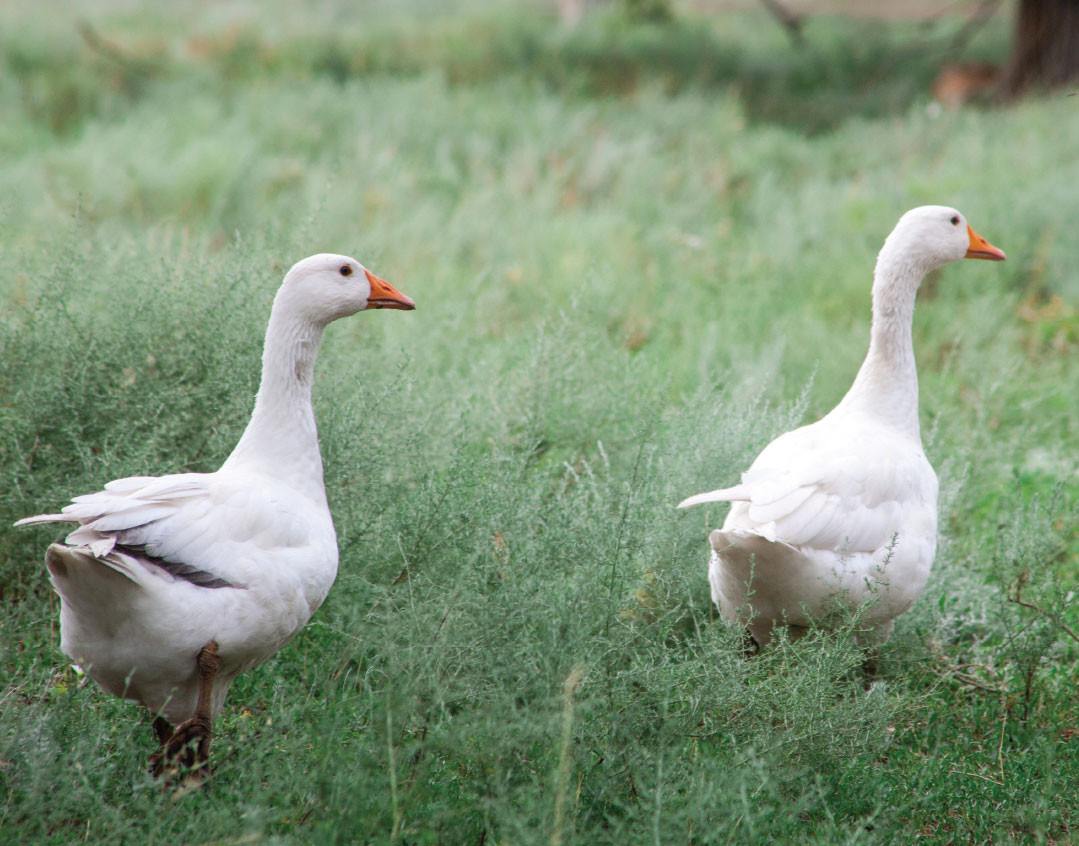
t the turn of the previous century, my great-grandmother, Bubby Mina, would begin Pesach preparations right before Chanukah. Bubby, who lived in a little town near Minsk, would shoo everyone out of the house at daybreak and then begin her labors. Her first task was to take the two geese she had lovingly fattened over the course of the year to the local shochet.
As soon as their animal souls were dispatched back to their Maker, she’d painstakingly pluck their fluffy feathers. These feathers were deposited in the cloth bag that contained several years’ worth of feathers. These gossamer treasures were part of her daughter’s dowry and would, one day, with Hashem’s help, merit to rest under the heads of the chassan and kallah.
But now the kallah-to-be was only six years old, and there was much work to complete before dark. Bubby Mina scrubbed the table, covered it with a wooden board, and then with a white cloth. Voilà! Her kitchen was kashered, ready and waiting to prepare the schmaltz they would need for Pesach.
After the schmaltz was cooked, cooled, and stored in jars, she exiled the delicacy to the cellar. Bubby didn’t have a refrigerator or freezer — no one did — her deep freezer was the cold Russian winter.
Create a free account to keep reading.