A Long Island town's Nazi past is finally exposed
IN1999, when newly-married Philip Kneer and Patricia Flynn heard from German-American relatives about an available house in a small Suffolk County community called German Gardens in Yaphank, New York, it seemed like they were moving to a model locality. While they thought it strange when a member of the homeowner association of German Gardens probed their ethnicity and even went to visit Patricia’s mother, who was listed as a reference, it was a pleasant, well-kept neighborhood — and besides, where else would they find a house on Long Island for $70,000?
Once they’d moved in, however the American-born Kneers (whose parents had come from Germany) were surprised to see that the complex was so overtly German that the local grocery store even stocked German-language newspapers. Were there any “regular” Americans here, not to mention Jews, blacks and other minorities?
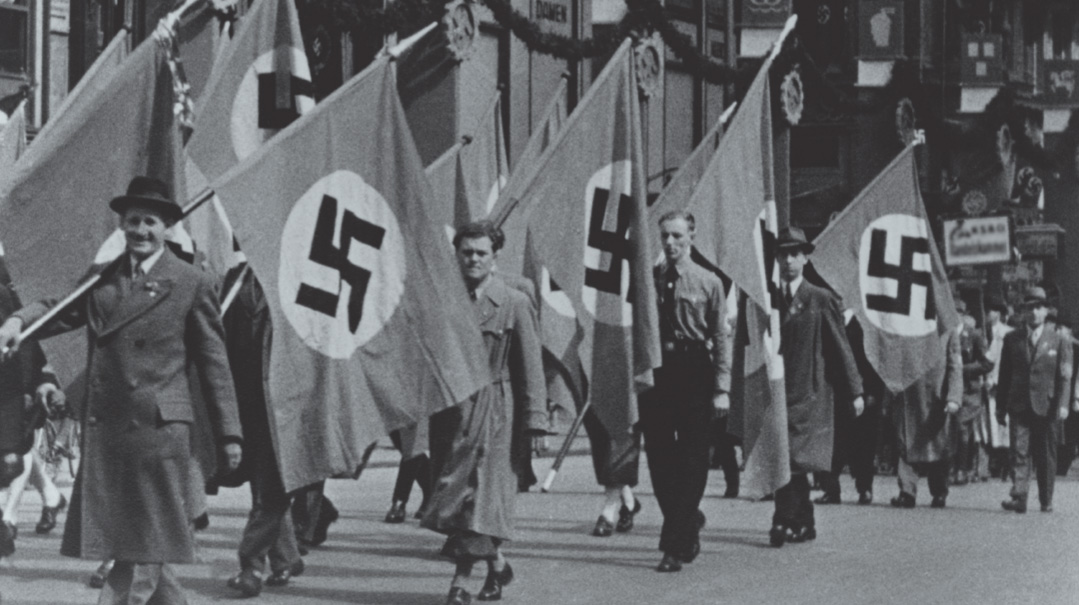
What they didn’t know is that in becoming homeowners in German Gardens, they would find themselves entrenched in a community with a checkered past and dubious present. When they finally decided to move out after the birth of their second child in 2006, it was easier said than done, because the bylaws of German Gardens left them unable to advertise their house to the public on the open market. Even a “For Sale” sign was prohibited.
Although it would take another ten years and a lawsuit to extricate themselves, in so doing the Kneers would break open the long-kept secret of the town, and make an indelible mark on the face of housing legislation in the State of New York.
Create a free account to keep reading.