While sitting quietly in the back, I learned more about what kavod haTorah means than I had gleaned the entire Shabbos
IT all began with a text message from Rabbi Zvi Lampel. His daughter and son-in-law were proud parents of a baby boy. I immediately contacted my good friend, Rav Yaakov Bender, the newborn’s great-grandfather.
“Rebbi, I hear you’ll be davening with us this Shabbos. I hope you can speak before Mussaf.”
He agreed, and the excitement set in.
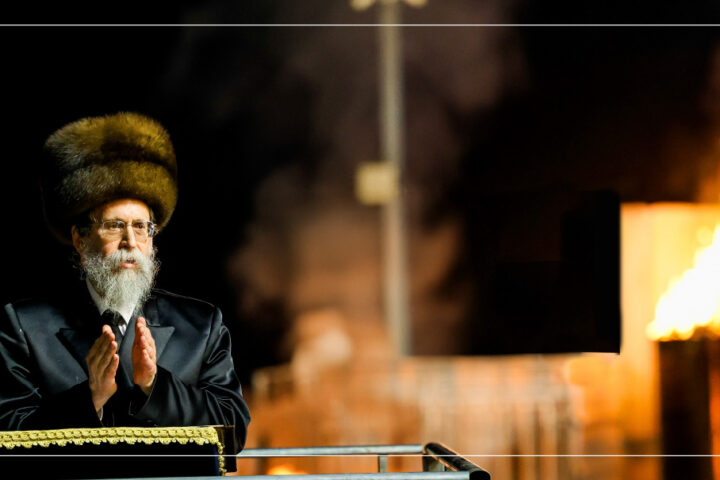
Having a major rosh yeshivah speak in shul is not a weekly occurrence. Men and women came from across the Passaic-Clifton community spectrum to hear him. There were men standing in the aisles and by the bookcases, cramming every available space. As soon as shul ended, Rav Bender was swamped by talmidim, and by those seeking eitzos and brachos. At the kiddush, there was a constant flow of men and women, each vying to get a brachah, ask a question, or submit a name. As amazed as I was at Rav Bender’s perpetual smile and composure, I was blown away by his patience. Even after the kiddush was long over, Rav Bender remained, locked in conversation.
As I walked home after Maariv, I was content, pleased, and proud. Beginning with the shalom zachor on Friday night and climaxing with the crowd huddling around him after Shabbos, I had been privileged to see a master rosh yeshivah at his best. As one of the balabatim said, “Rabbi, this week the Ahavas [Passaic nickname for our shul, Ahavas Israel] reached a new level in kedushah.”
Create a free account to keep reading.