His last act for his beloved community was to protect them
I
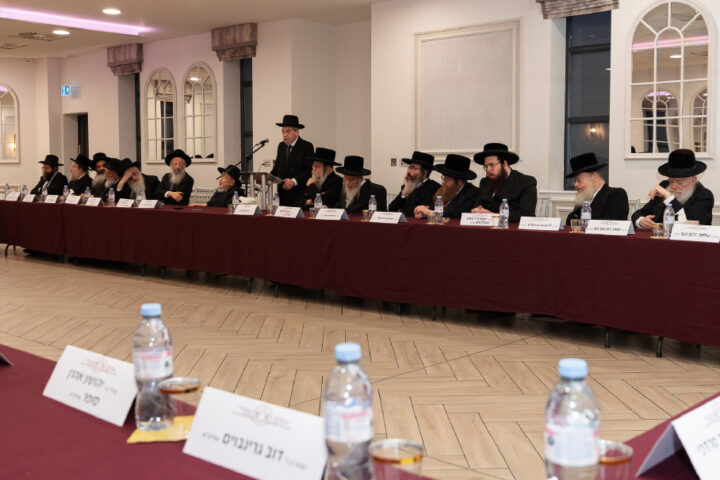
t was before the UK decided to go on lockdown, before the urgency of coronavirus had penetrated the traditional British laissez-faire attitude. Schools, businesses, and yeshivos up and down the country were still running. In the northern enclave that is Gateshead’s Jewish community — a stronghold of Torah and old-style communal life — the town’s committee sat and debated. The facts, as far as they were known, were laid out. The risks were weighed. And the rosh hakahal, Reb Yankel Kaufman, made a difficult decision. Gateshead must close. The nurseries and daycares and schools. The shul. The illustrious kollelim. For the time being, it was too dangerous to continue.
With the agreement of the town’s rabbinic leadership, the law was laid down. This being Gateshead, it was kept unequivocally.
Three weeks later, Reb Yankel was taken. His last act for his beloved community was to protect them.
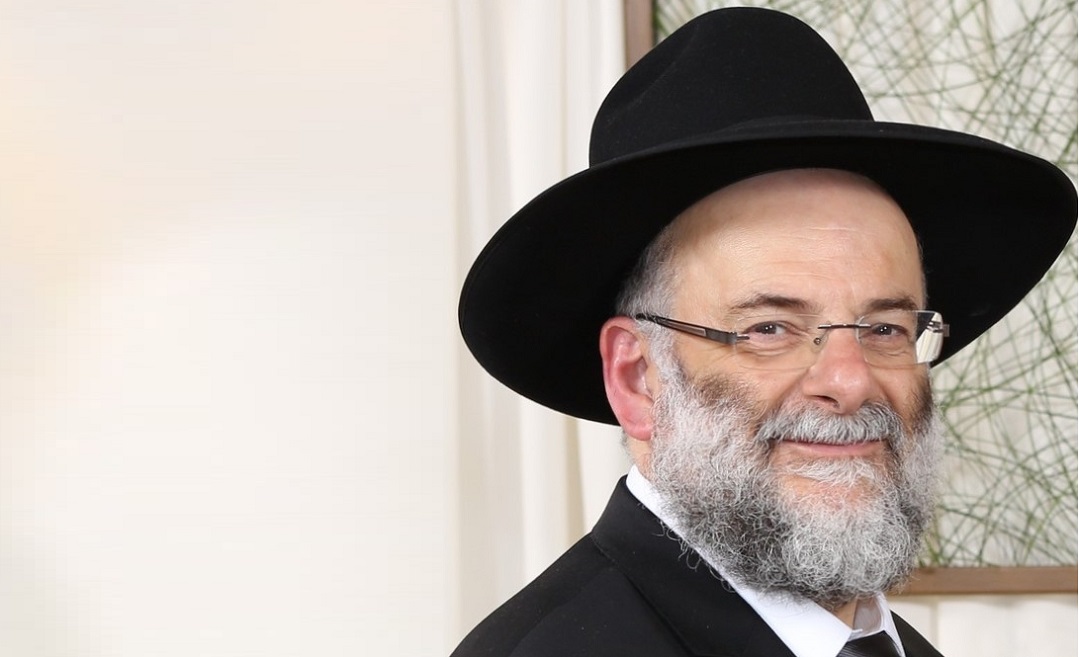
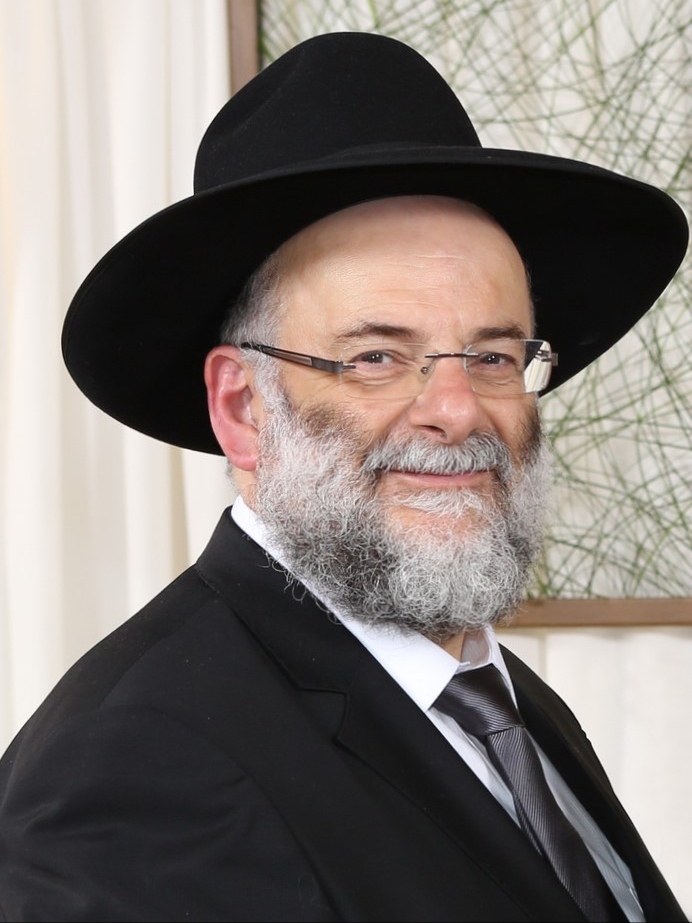
A multifaceted, homegrown leader, Reb Yankel was the rosh hakahal (locally known as “the Parnas”) of a community that retains an old-fashioned kehillah structure perhaps unique in the 21st century. Gateshead has one kehillah, one Rav, and one central committee that runs all the towns’ mosdos and amenities. The committee is headed by an elected leader, someone respected, with shoulders broad enough to carry the responsibility of organizing and representing a community. Someone decisive, yet sensitive. Like his father before him, Reb Yankel Kaufman was the Parnas of Gateshead. Also like his father, he was loved as much as he was respected.
Create a free account to keep reading.