Because no two people are alike, no two people develop the same connection with Hashem
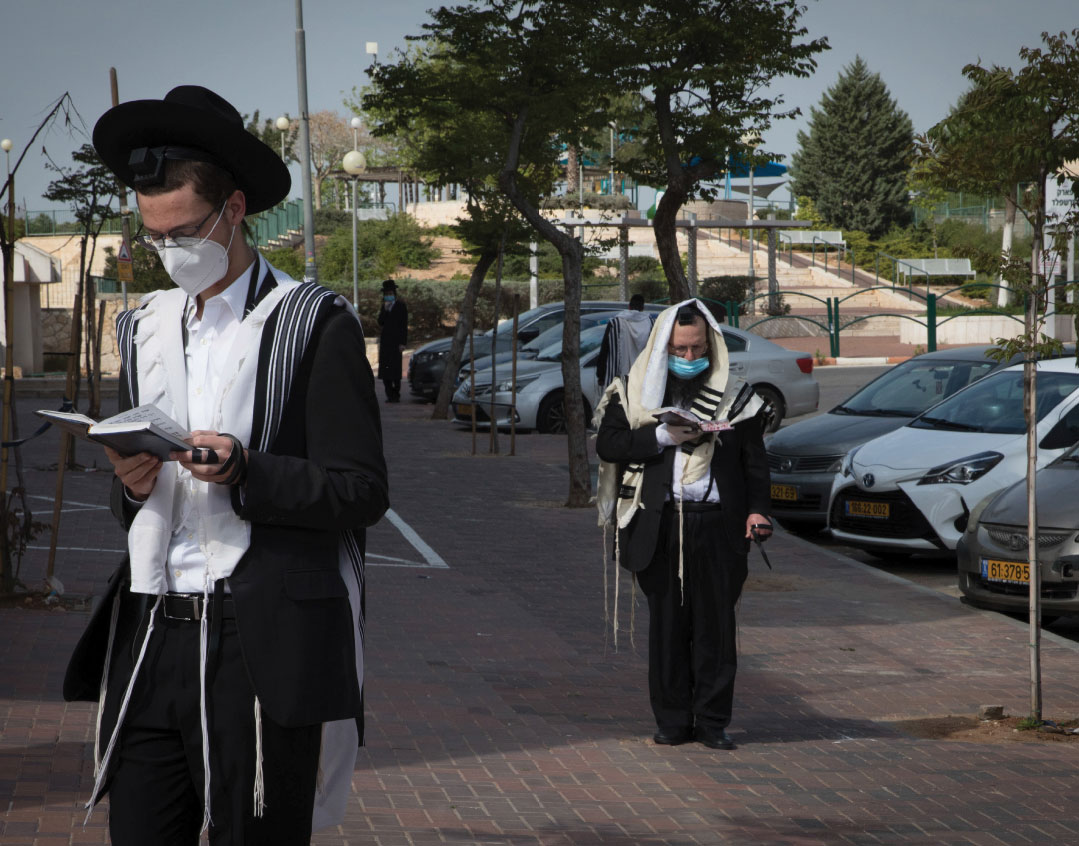
One metaphor for the judgment of Rosh Hashanah is that of an annual review of our performance with respect to our particular mission statement. That review, however, requires us to have more than an inkling of our particular mission. As the late mashgiach Rav Shlomo Wolbe used to say, “Half the work of Elul is discovering the nature of the ‘ani’ in ‘Ani l’dodi v’dodi li — I am to my Beloved and my Beloved to me.’ ”
I have always found one of the most empowering Torah ideas to be that each of us comes into the world with a mission for which we are specifically equipped and that no one else can perform as well. But I confess that I was stunned by the “breathtaking array of writings by Jewish sages and startling insights into their teachings [on the topic] of self-knowledge as the key to reaching each individuals’ potential” (to quote Rav Aharon Feldman) amassed by Rabbi Yosef Lynn and Rabbi Jack Cohen in their new work Nurture Their Nature (Mosaica).
The Torah insists upon the absolute uniqueness of every Jew. Upon seeing a multitude of 600,000 Jews, as at Har Sinai, we recite the blessing, “Baruch Chacham harazim — Blessed is G-d, the Wise [Knower] of secrets” (Berachos 58a). That multitude is not just an aggregate of largely interchangeable human beings. Rather, each individual contains a “secret” implanted by our Creator.
Unraveling that secret begins with self-knowledge. When Rabi Yochanan ben Zakkai told his five talmidim to go out and see what is the good path to which a person should cleave (Pirkei Avos 2:13), he was checking, according to the Maharal, to make sure that the attainments that he saw in each emerged from their own understanding of their core middah. And that would be revealed by the middah that they praised.
Create a free account to keep reading.