How did a clandestine Jewish community in the shadow of Mount Kilimanjaro stay under the radar for so many decades?
Text and photos: Ari Greenspan
With no kids at home for Pesach, I hesitantly floated the idea to my wife of going away for the holiday. No, I wasn’t talking about a five-star hotel on the Amalfi coast or a deluxe kosher resort in the Caribbean. This “vacation” would involve sleeping in shacks and navigating the muddy roads in the shadow of Mount Kilimanjaro. For some reason I can’t fathom but am still grateful for, my wife agreed to spend last Pesach in Arusha, Tanzania, together with a community of secret Yemenite Jews.
When I began toying with the idea of visiting our friend Yehudah Kahalani in his Tanzanian community over Pesach — Ari Zivotofsky and I had spent time with this fascinating leader of an underground Jewish community the year before — I knew it would take some convincing. Pesach is challenging enough without having to kasher a foreign kitchen in a country where there’s no hashgachah on anything. But Shari is more than a good sport and understood that while it wouldn’t be easy, the halachic adventure would be something to remember for the rest of our lives.
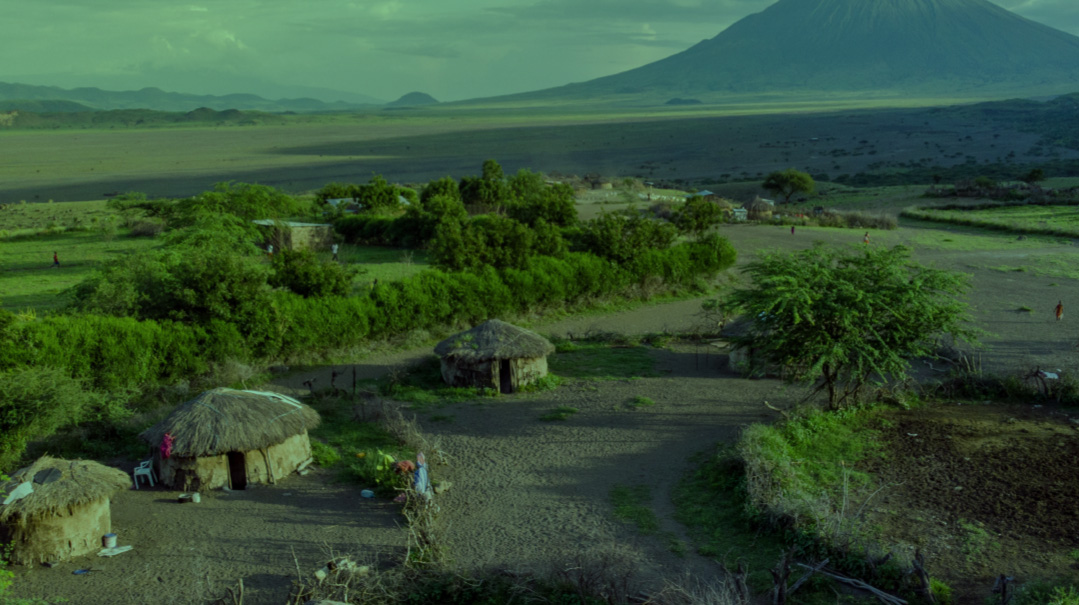
If you’re knowledgeable about African geography, you probably associate the East African country of Tanzania with Mount Kilimanjaro — the world’s highest freestanding mountain, nomadic Maasai warriors with their bright red wraps, or the great Serengeti plains with its herds of elephants, lions, giraffes, and other wild game.
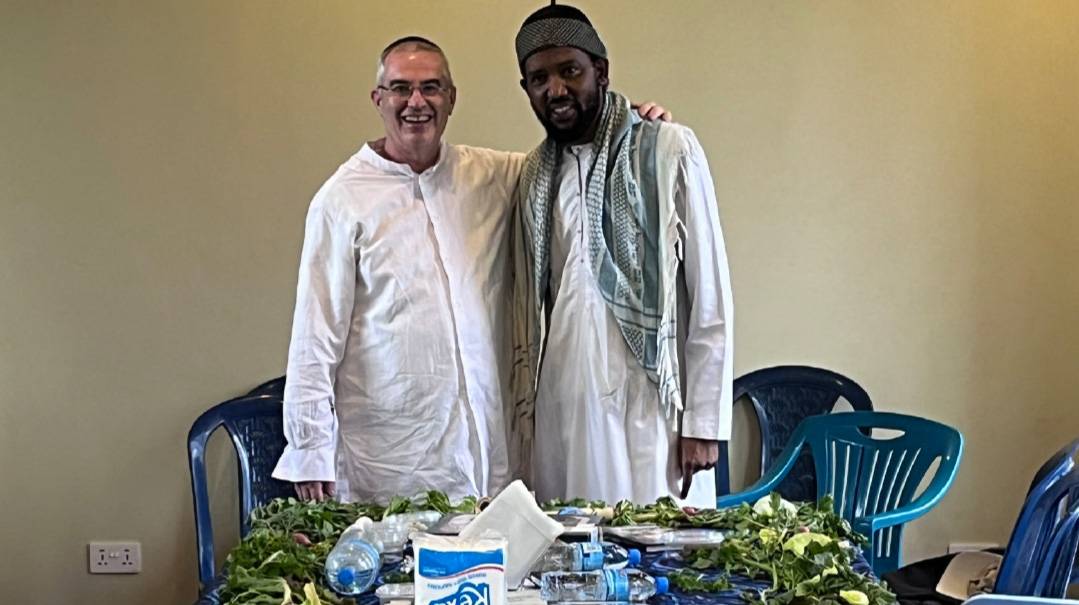
What you probably won’t imagine is that there is an authentic but essentially unknown Jewish community right there in Arusha, Tanzania — a kehillah concealed for years from mainstream Jewry, whose reemergence after having gone underground is due to a dedicated young attorney and university lecturer named Yehudah Amir Kahalani.
Create a free account to keep reading.