Succos is the zeman simchaseinu, the Days of Joy. The contrast seems abrupt and jarring— why the sudden shift in mood?
Succos comes on the heels of an intense forty days dedicated to the avodah of teshuvah. In contrast to the solemnity that characterizes these days, however, Succos is the zeman simchaseinu, the Days of Joy. The contrast seems abrupt and jarring — why the sudden shift in mood? What happened to the serious attitude we were growing accustomed to?
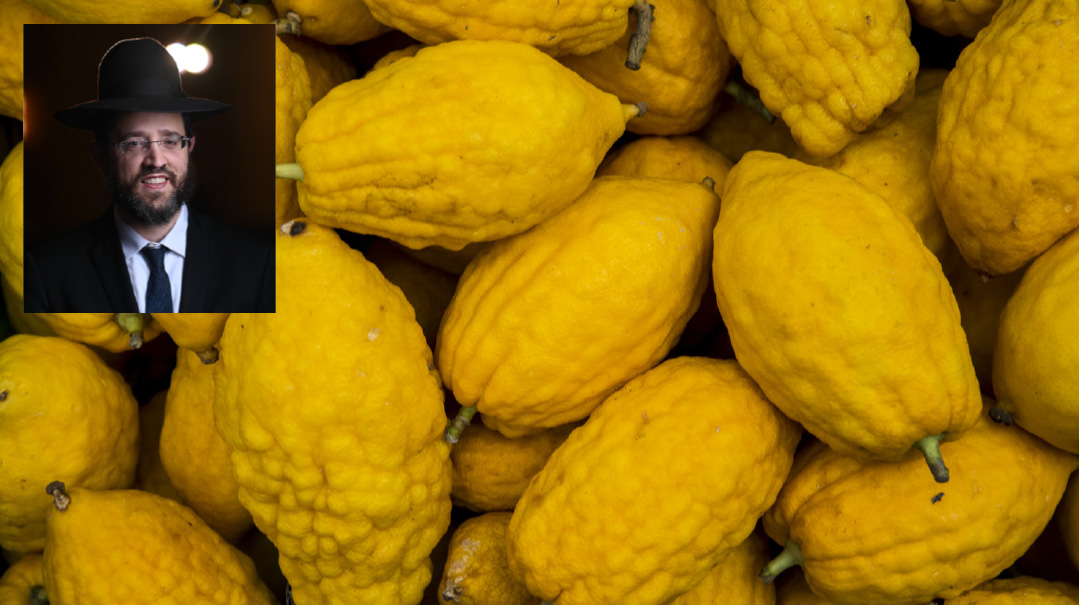
The mysteries of Succos extend well beyond that. For millennia, it has been the custom to spend exorbitant sums of money for a lulav and esrog. This raises the question: What is it about this mitzvah specifically that motivates us to spend so much on it? Additionally, no other mitzvah in the Torah asks us to brave the elements and sit outdoors for seven days. And then there’s the joy — why is there such an emphasis on being happy on Succos?
Before getting to the answer, let’s ask another question. The pasuk in parshas Emor commands us: “U’lakachtem lachem bayom harishon — and you shall take for yourself on the first day.” The Midrash asks, “Is this the first day? It’s the fifteenth day [of the month]!” The Midrash concludes, “Rishon l’cheshbon avonos — Succos is the first day for the calculation of sins.”
The simple understanding of the Midrash is that, upon receiving our atonement on Yom Kippur, we are entirely cleansed from sin. Between Yom Kippur and Succos, we are too busy preparing for Yom Tov to commit a sin. Thus, only on the first day of Succos does the tally of sin begin anew.
Create a free account to keep reading.