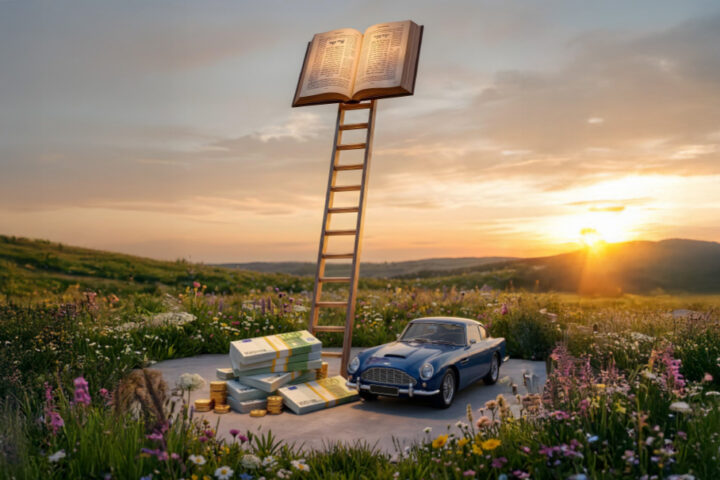
Mishpacha writers take a trip down memory lane to share the seforim that transport and transform
Project Coordinator: Gitty Edelstein
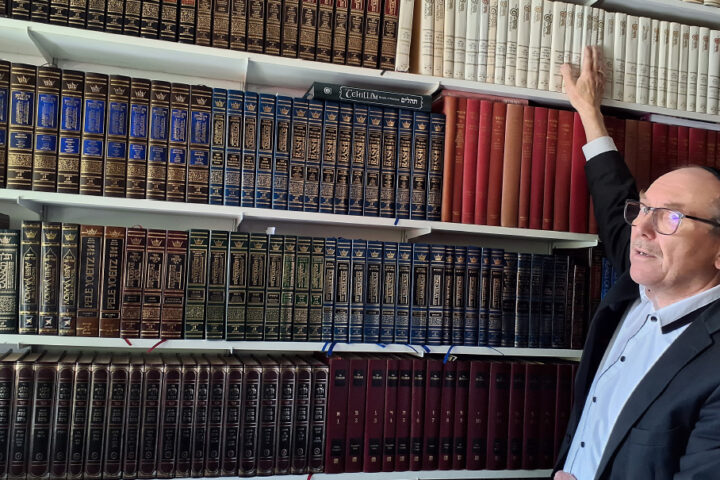
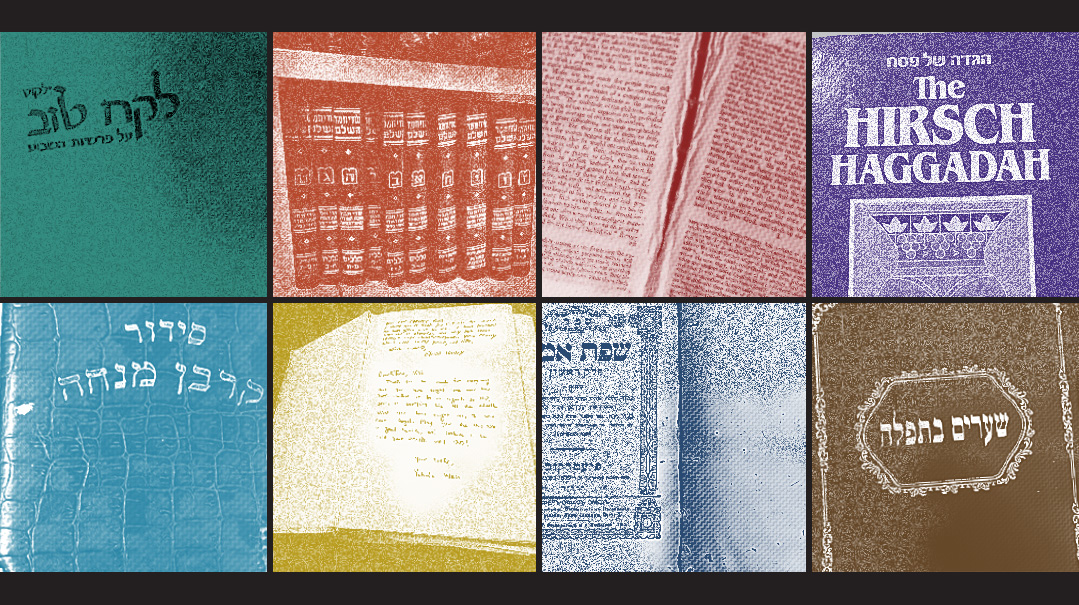
Your mother’s beloved siddur. The Lekach Tov that you spent hours poring over that taught you more than just the parshah. The Sdei Chemed with a special inscription from your rebbi.
Learning is in the DNA of the People of the Book, but these holy texts do more than increase knowledge — they open vistas, build connections, and even change the course of your life. Mishpacha writers take a trip down memory lane to share the seforim that transport and transform
I’m a Yesodei kid. Not that this means anything to you, but in Toronto in 1998, it was a statement of identity as critical as “I’m a Jew” or maybe even “I’m a human.” Being a Yesodei kid meant you attended Yeshiva Yesodei Hatorah, as opposed to Toronto’s other boys’ elementary schools. It suggested a certain size and material yarmulke, a relatively longer set of peyos, and a lexicon that summarily replaced “actually” with “gradeh.” And perhaps of greatest relevance, under no circumstances could you join any organized sport leagues (read: hockey).
But being a Yesodei kid meant something else as well. Something far deeper, more meaningful, and forever enduring. It meant that for the most impressionable stage in your educational development, you lived in a conceptual Yerushalayim.
Create a free account to keep reading.