“Dan l’chaf zechus isthe acknowledgment that we’re missing puzzle pieces— and we often excuse our own actions faster than others’ actions”

WEall want a warm, trusting community. Chazal gave us a tool: “Hevei dan es kol ha’adam l’chaf zechus” (Avos 1:6). But dan l’chaf zechus isn’t fantasy writing; it isn’t inventing stories to whitewash what was wrong. It doesn’t ask for creativity — only humility.
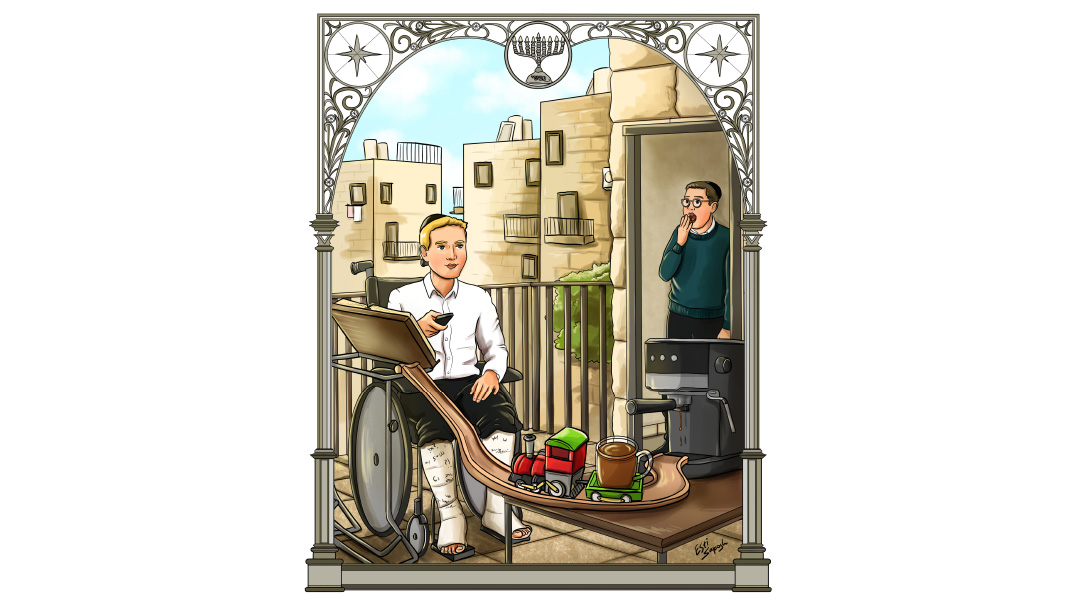
We tend to judge others with our own toolbox. If I’m rested, calm, and unhurried, I imagine everyone else had the same sleep, strength, and patience. But we don’t carry identical toolboxes. How much did this person sleep? What pressures are they under? Without those answers, my quick verdict is often more about me than about them.
Psychology has a name for this: the fundamental attribution error. When I lose my temper, I call it “a bad day.” When you lose yours, I’m tempted to call it “a bad middah.” Dan l’chaf zechus interrupts that reflex. It doesn’t pretend that an unkind act was kind; it simply says, “I don’t yet see the whole picture.”
Torah living marries accountability with compassion. Wrong remains wrong; repair is necessary. Yet we approach others with the humility of knowing that only HaKadosh Baruch Hu is the Dayan Emes, the Yodei’a Nistaros. We hold our judgments lightly because our knowledge is partial.
Create a free account to keep reading.