Read on to find out whether this is the job for you
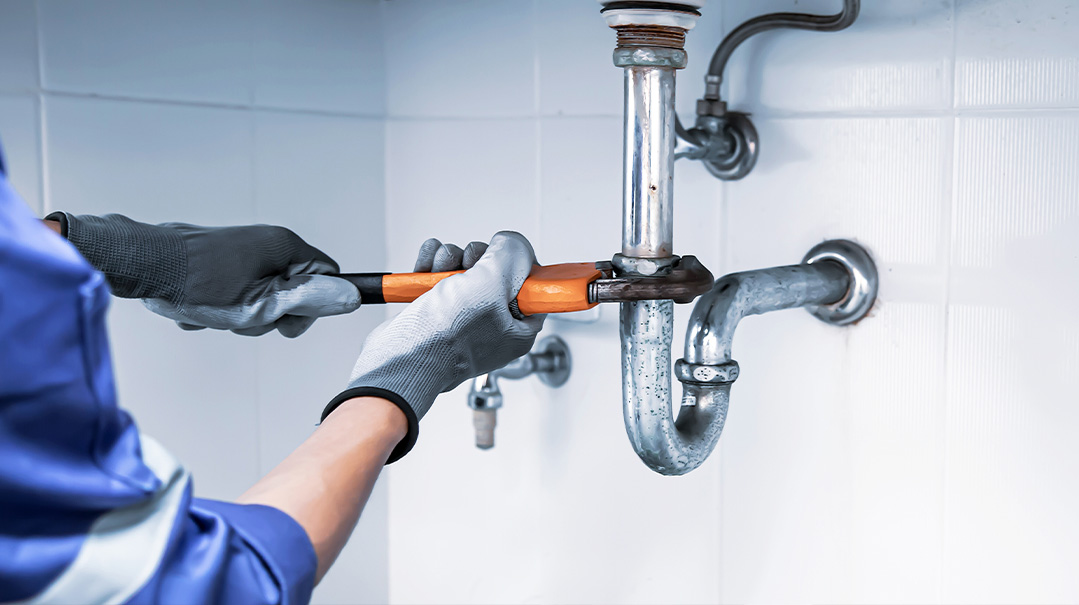
A plumber is responsible for installing, repairing, and managing water and gas supply systems; heating systems; sanitation systems and associated fixtures.
Responsibilities include diagnosing and fixing problems, interpreting blueprints to install new systems, cutting, assembling, welding, and installing pipes and other fixtures, and ensuring all work adheres to regulatory standards.
A good plumber has patience and persistence, an eye for detail, and enjoys hands-on work. He needs to be a good listener and problem-solver, and have high levels of concentration and focus.
There are several specialization options within the plumbing field. Some examples:
Commercial plumber — works with industrial equipment in commercial settings like hospitals, schools, or factories
Service and repair plumber — performs maintenance and repair jobs in both residential and commercial environments
Residential plumber — works with the plumbing systems in residential homes
Sanitary plumber — specializes in sanitary systems such as toilet and bathroom pipes
Water supply plumber — works with water supply systems such as kitchen or bathroom tanks
While there are no formal educational requirements, in order to practice as a licensed plumber, one must complete a certain number of years of apprenticeship (with each state setting its own standards) and pass an exam.
While the national average salary in the US is $56,000, plumbers in the metropolitan area tend to make on average $75,000–$100,000. For someone who owns his own business, the income potential can be much higher.