A UX/UI designer makes digital products— like apps or websites— easy and enjoyable to use, while also visually attractive
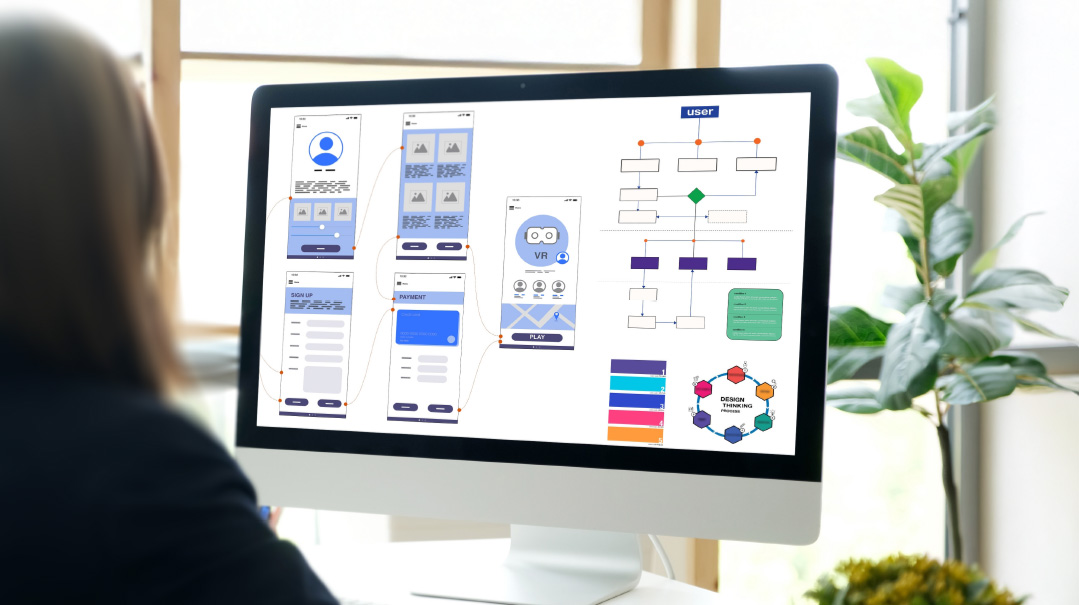
A UX/UI designer is responsible for making digital products — like apps or websites — easy and enjoyable to use, while also making them look visually attractive. Their work includes researching what users need, planning how people will move through the product, designing the screens and visuals, testing how well it all works, and working closely with developers and product teams to create a smooth, attractive final result.
UX design (or product design) has increasingly become a catch-all title that includes both UX and UI.
UX (user experience) refers to how a product works — the research and strategy that that go into making a product easy and enjoyable to use.
UI (user interface) refers to how a product looks — the visual layout, interface elements, and interaction design.
Create a free account to keep reading.