Gravestone markings are also a testimony to the enduring values that have continued to keep us alive
During the Days of Awe, this question draws a shudder as we stand in shul and recite Unesaneh Tokef.
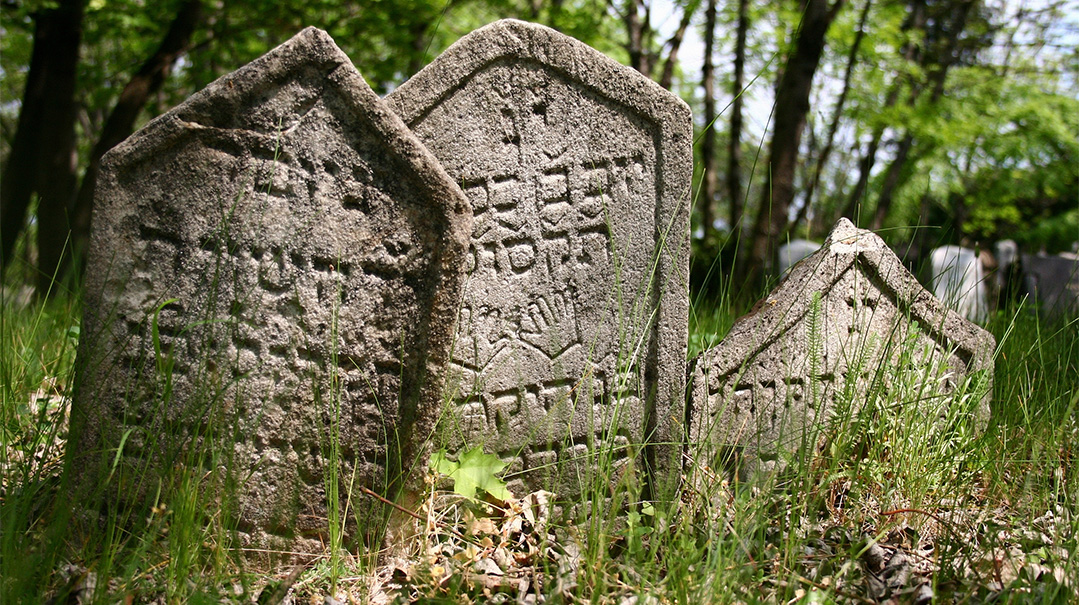
If we stand in a beis hachayim and gaze across the field of headstones, we reflect that for those buried here, that searing question has been answered.
Yet a closer examination of individual matzeivos answers other questions posed in this powerful prayer: Who will live to old age, and who will die young? Who will enjoy tranquility, and who will suffer? Who will be impoverished, and who will become rich? It’s all recorded — in the epitaphs carved into these stones, found in cemeteries around the world in the many places Jews have temporarily called home.
That is, when we can read them.
Many gravestones have disappeared over the years. Others still stand, but their inscriptions have been worn down by the snows and sandstorms of time. For professional historians, deciphering these sometimes cryptic and often incomplete messages from the past is part of a day’s work. For the amateur genealogist, restoring the memory of our long-gone ancestors for future generations is a labor of love that is its own reward.
Create a free account to keep reading.