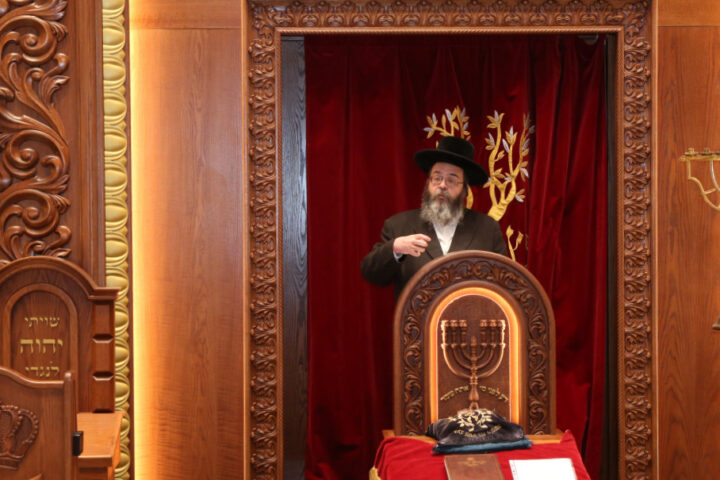
Tel Aviv’s golden age of chassidus is long-gone. But hidden away in the start-up capital are a few beloved rebbes, whose unlikely chassidim range from the city’s “invisibles” to high-profile media stars
S
tart-up powerhouse. Nonstop city. Israel’s culture capital. Among the many names that Tel Aviv calls itself, center of chassidus isn’t one of them.
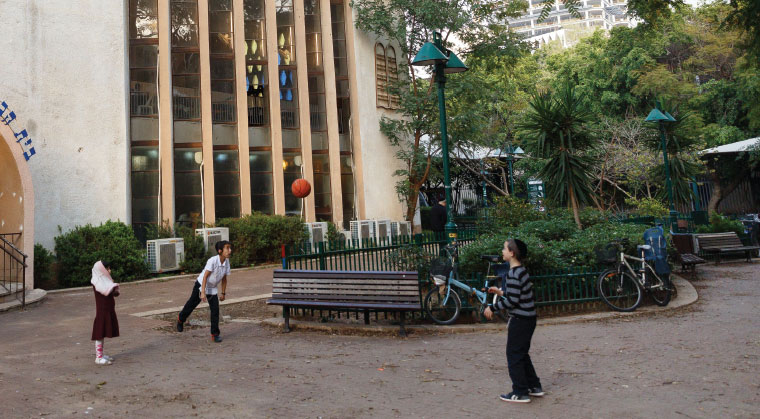
With its combination of high tech, yuppies on electric scooters, and in-your-face liberalism, Tel Aviv often feels closer to San Francisco than Yerushalayim, just 60 kilometers up the road. A brash symbol of secular Israel, it’s a place that bans Chabad rallies because they separate men and women and where the municipal authorities are fighting to open shopping on Shabbos.
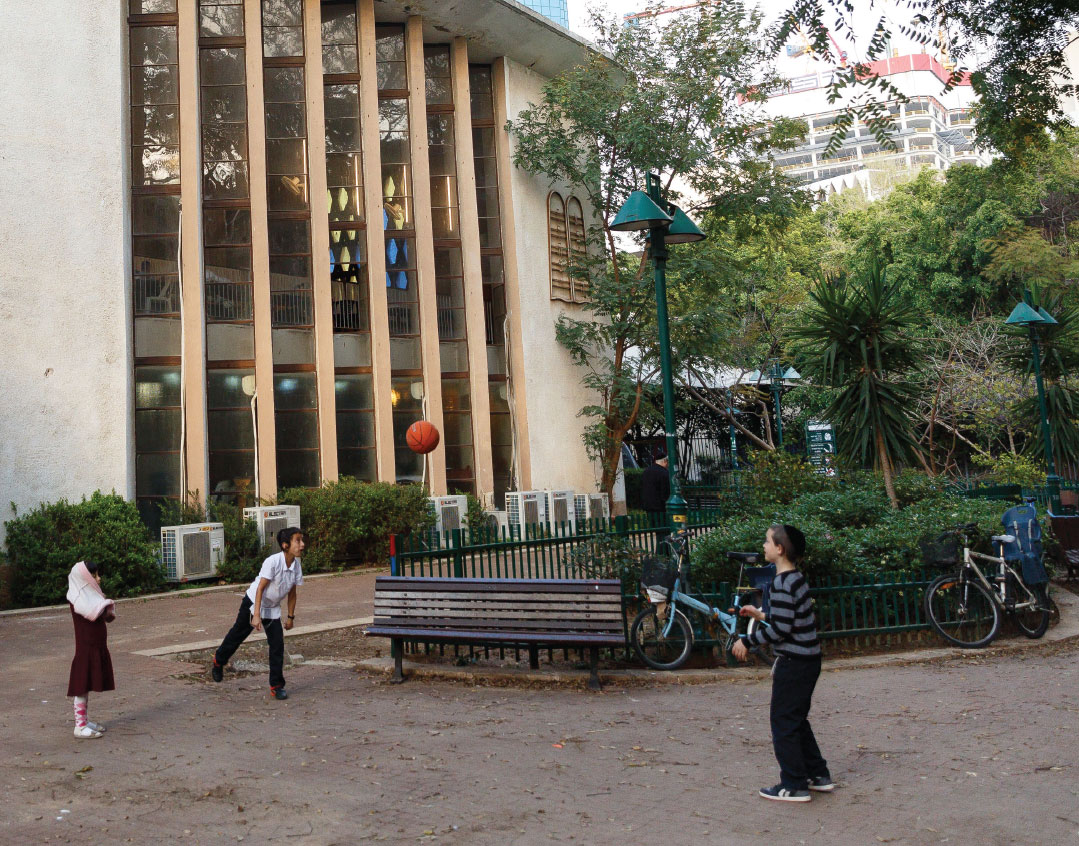
Look hard, though, and the city’s streets tell a different story. Walking through central Tel Aviv is like crossing a condensed map of Eastern Europe — a giant open-air museum to a vanished chassidic past. The shtiblach of Modzhitz, Ger, and Ozherov recall Poland’s glorious heritage. Galician Belz rubs shoulders with Chasam Sofer, once a bastion of Hungarian minhag. Round the corner is the barely functioning shtibel of Koidenov, a chassidus that hailed from Russia. And the glories of Lithuania find a faint echo in the halls of Heichal HaTalmud, once home to old-style Lithuanian lamdanim. In these few square miles, more than 60 chassidic dynasties were once active. But the chassidim are gone and the rebbes are down the road in Bnei Brak.
Yet the shuttered buildings and struggling minyanim are only part of the story — an extraordinary story. Somehow, some chassidim — and rebbes — have held out. And those who have survived here have had an outsize effect on their surroundings: engaging in kiruv, creating communities, and altering hundreds of lives.
Create a free account to keep reading.