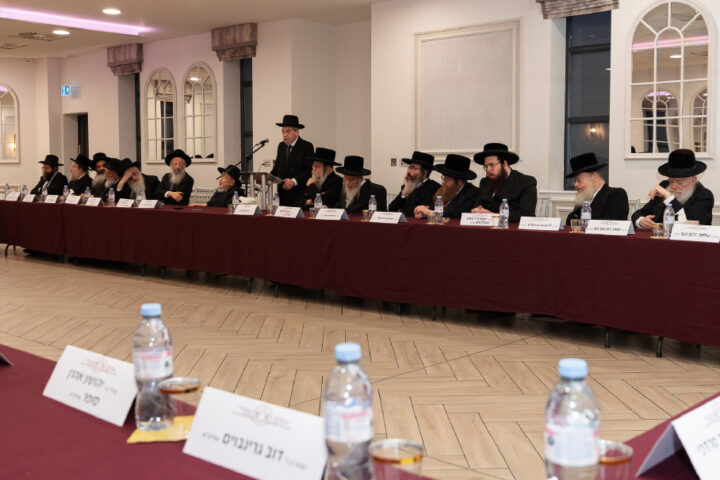
A sefer named Yonas Eilem, written by Rav Yonah Karpilov, also known as Rav Yonah Minsker
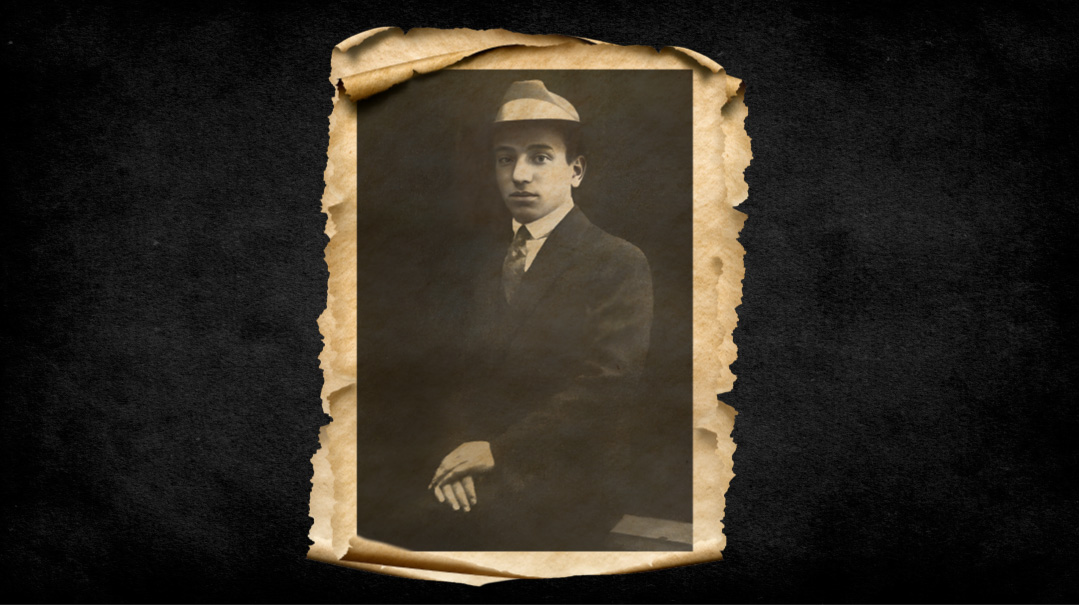
Additional research and image sourcing by Dovi Safier
ITwas a frigid day in Yokohama, Japan, that January morning in 1941 when the Imperial Japanese Telegraph service delivered an urgent telegram to the former official chief rabbi of Vilna Rabbi Yitzchak Rubinstein and rescue leader and Mizrachi activist Zorach Warhaftig, who were temporarily located in the city’s Central Hotel. The telegram had been dispatched from Soviet-occupied Vilna and contained a desperate English-language message: “PLEASE TRY JAPAN TRANS VIZAS MY BROTHER MOSHE RAFALOWITZ AND YONA KARPILOV.”
The brief telegram was a last-ditch attempt to save one of the greatest minds of the prewar Torah world, a bright light that shone from Minsk to Baranovich, from Kamenitz to Mir, from Mir to Brisk, and finally in the shadows of war in Vilna and Kovno, where it was snuffed out by the Nazis and their local collaborators. This is the story of Rav Yonah Karpilov, known to posterity by his city of origin, Rav Yonah Minsker.
By the time the telegram was sent in the winter of 1941, thousands of Jewish refugees had escaped the communist Soviet Union by traversing the Trans-Siberian railroad and departed the Soviet Union through the port city of Vladivostok across the Sea of Japan. The previous August had seen a monthlong frenzy in procuring Japanese transit visas, distributed by the legendary Japanese consul in Kovno, Chiune Sugihara. The long application process for Soviet exit visas lasted through the fall of 1940, until travel commenced in November and continued throughout that winter.
Create a free account to keep reading.